Water is essential for life and is one of the four classical elements alongside Earth, Fire, and Air. Plants are at least 85% water, and we gardeners know its value while lamenting the “Goldilocks theme” of too little, too much, or just right, which is an all too rare occurrence. Our attempts to manage water are filled with wilty frustrations on hot, dry, and windy days followed by French drains, moats, mounds, and diversions during the rainy season.
Water-wise gardening is not necessarily about knowing how much or how little you use but understanding what you have naturally available and where it is or is not available in your landscape so you can minimize the frustrations of dragging hoses and providing supplemental irrigation.
Begin by assessing your property, including soils, sunlight, the orientation of the house, and identifying wet or dry areas. Also consider how you use or experience your landscape daily and seasonally. Then you can orchestrate your garden and play to each location's strengths.
Gardening options to consider include:
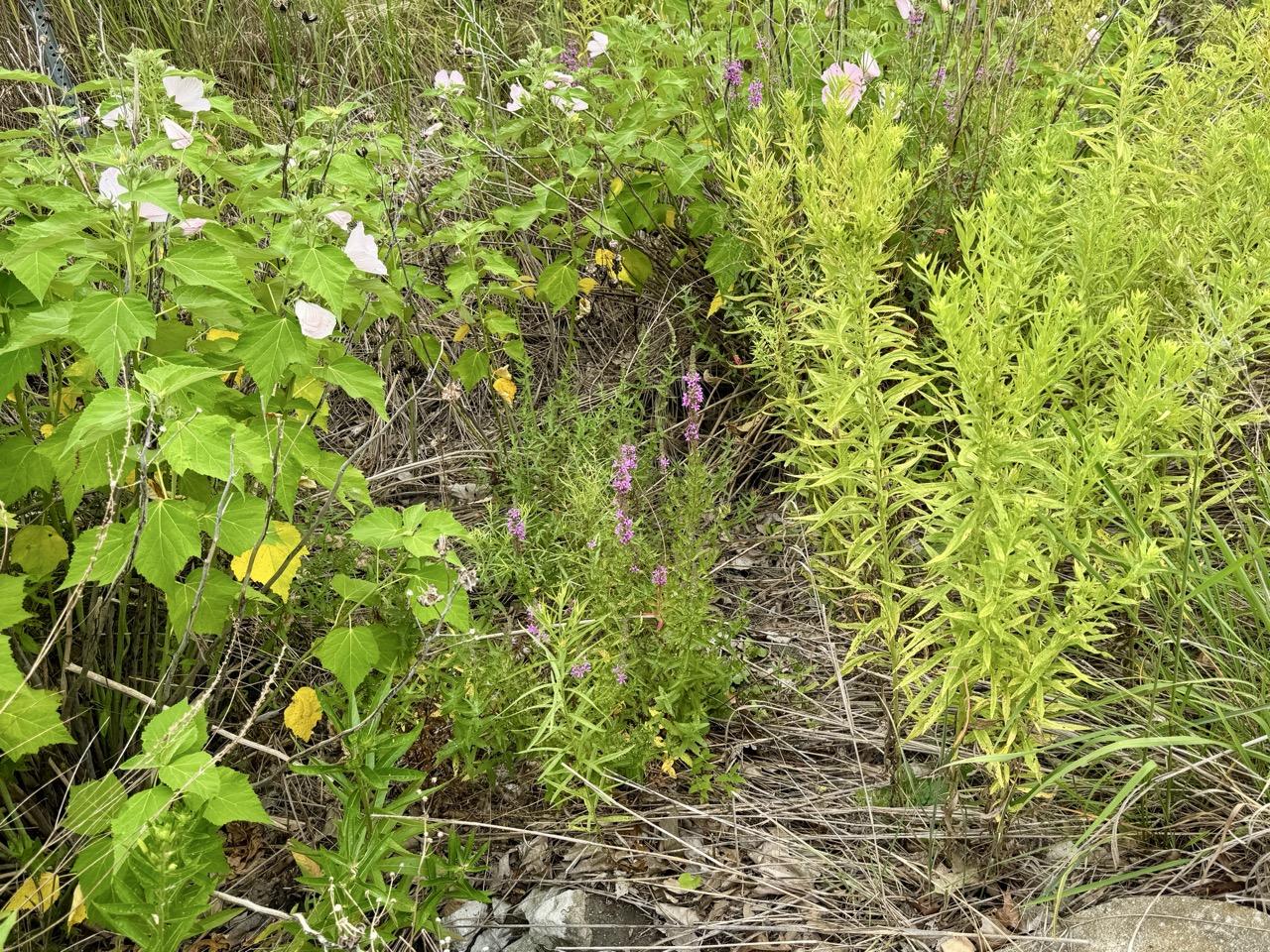
Maybe a low corner becomes a rain garden or bog garden and gives you a place to direct water from downspouts. Keeping this valuable resource on your property benefits your garden and helps reduce runoff and potential flooding downstream.
The hot, exposed southern side of the house is perfect for Xeriscaping (not to be confused with “zero-scaping” ) or a rock garden featuring drought-tolerant plants and greatly reducing or eliminating your need for irrigation.
The north side of the house stays cooler, and soils retain water, making it perfect for shade-loving perennials or even a woodland garden feel.
Water is essential, and each of us is responsible for its proper stewardship and use. Creating a water-wise garden may help reduce those frustrations while providing a beautiful, ecologically sound, and enjoyable landscape.