
Explore Two Distinct Destinations
Matthaei
Botanical Gardens
Explore outdoor gardens, nearly three miles of trails, and an indoor multi-climate conservatory.
Closed on Mondays.
Visiting Information
1800 N Dixboro Rd. Ann Arbor | MAP ›
Free admission
Metered parking
Nichols
Arboretum
Embark on an outdoor adventure through scenic trails, collections, and diverse natural areas.
Visiting Information
1600 Washington Hts. Ann Arbor | MAP ›
Free admission
Limited metered parking
Upcoming Events


Featured Stories
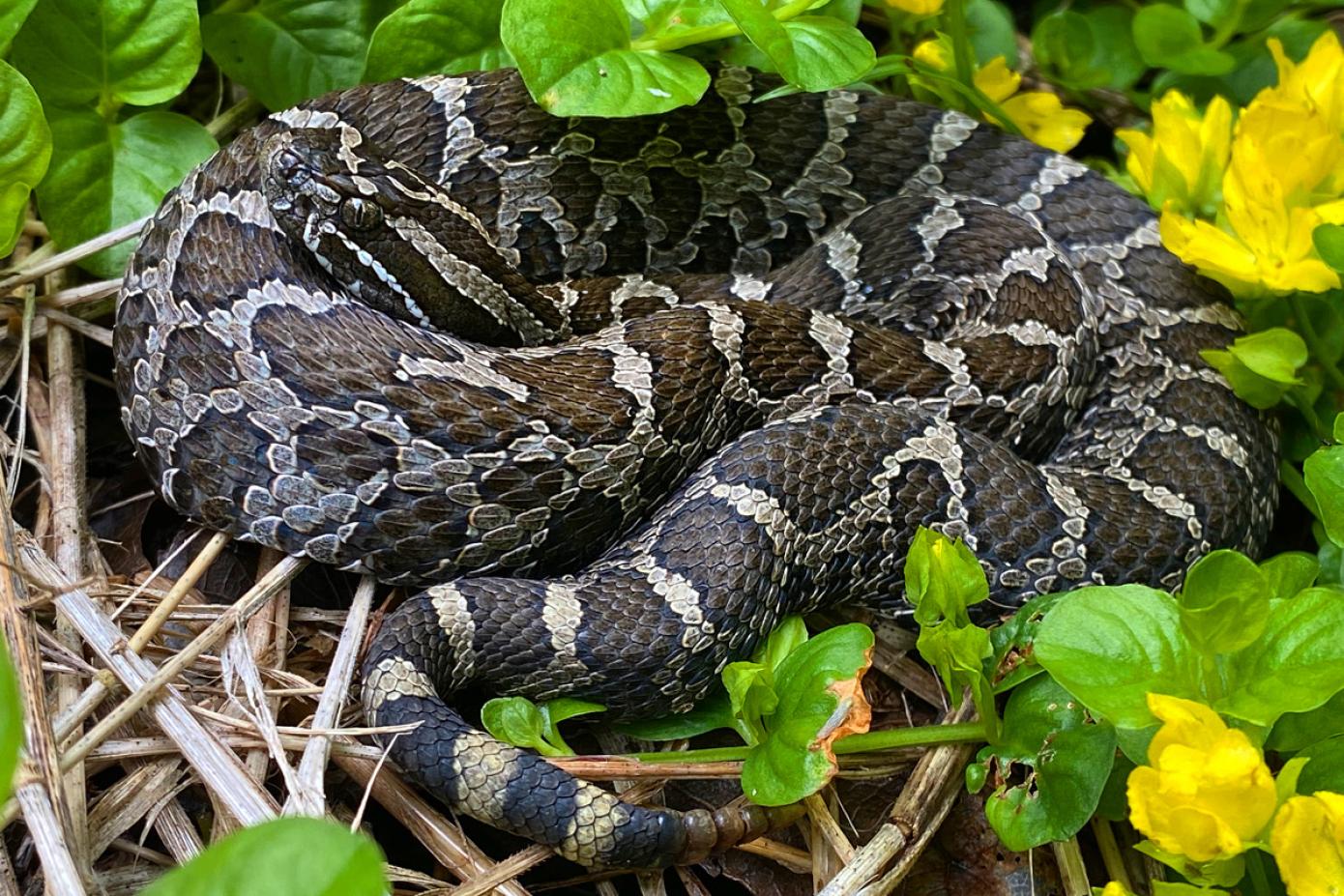
Protecting the Eastern Massasauga
At Matthaei Botanical Gardens and Nichols Arboretum, our mission is rooted in ecological resilience. We focus on sustainability, climate-forward practices, and biocultural diversity. One species that perfectly encapsulates our efforts is the Eastern Massasauga rattlesnake. We are committed to restoring and protecting the habitats these snakes and other wildlife depend on.
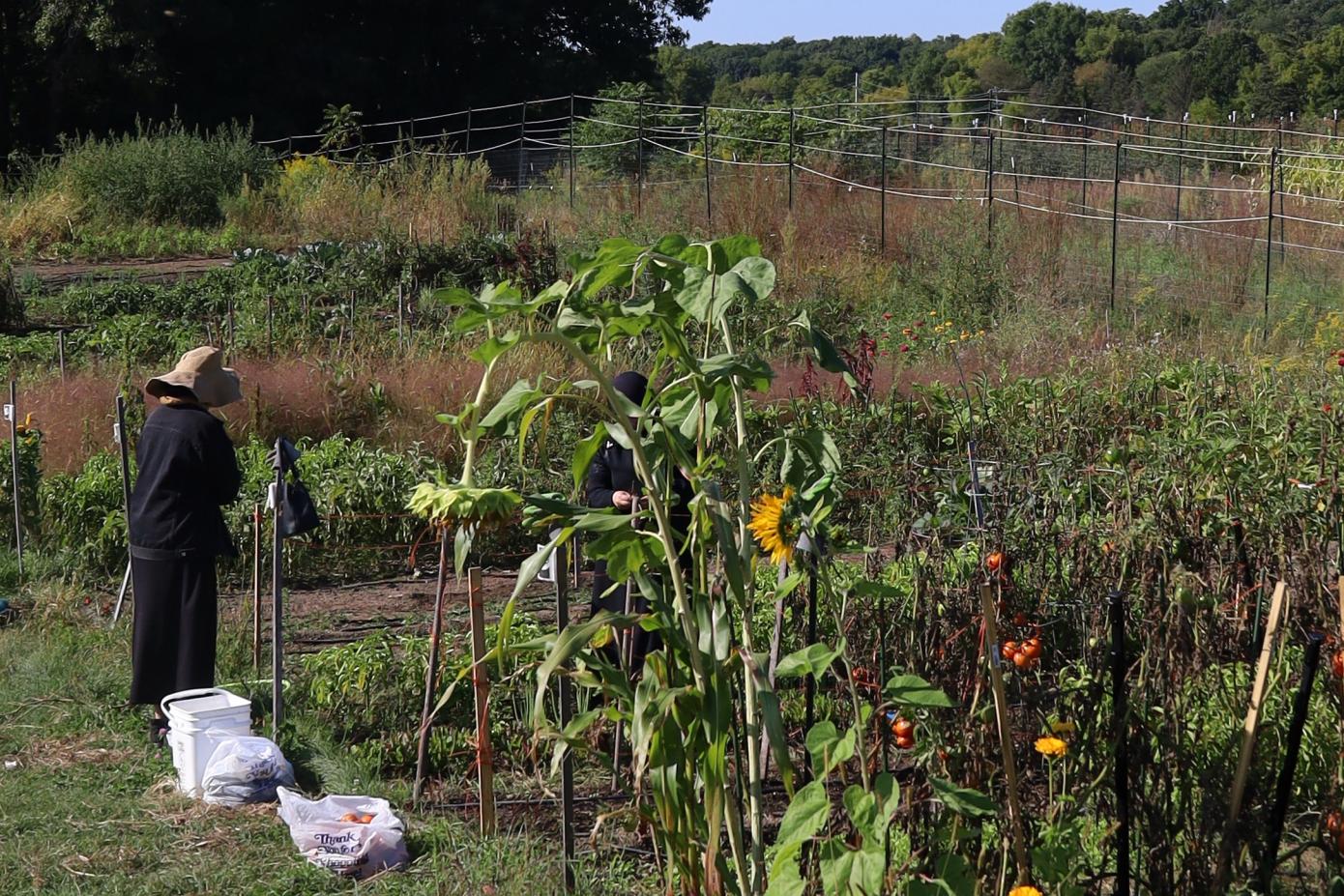
Refugee Garden Provides Plots and Resources for Families Putting Down New Roots
For a little over three years, a quiet half-acre plot nestled at Campus Farm has provided place and opportunity for refugee growers. A partnership between Jewish Family Services (JFS) of Washtenaw County and MBGNA, the Refugee Garden serves community members who have been in the US for fewer than five years.
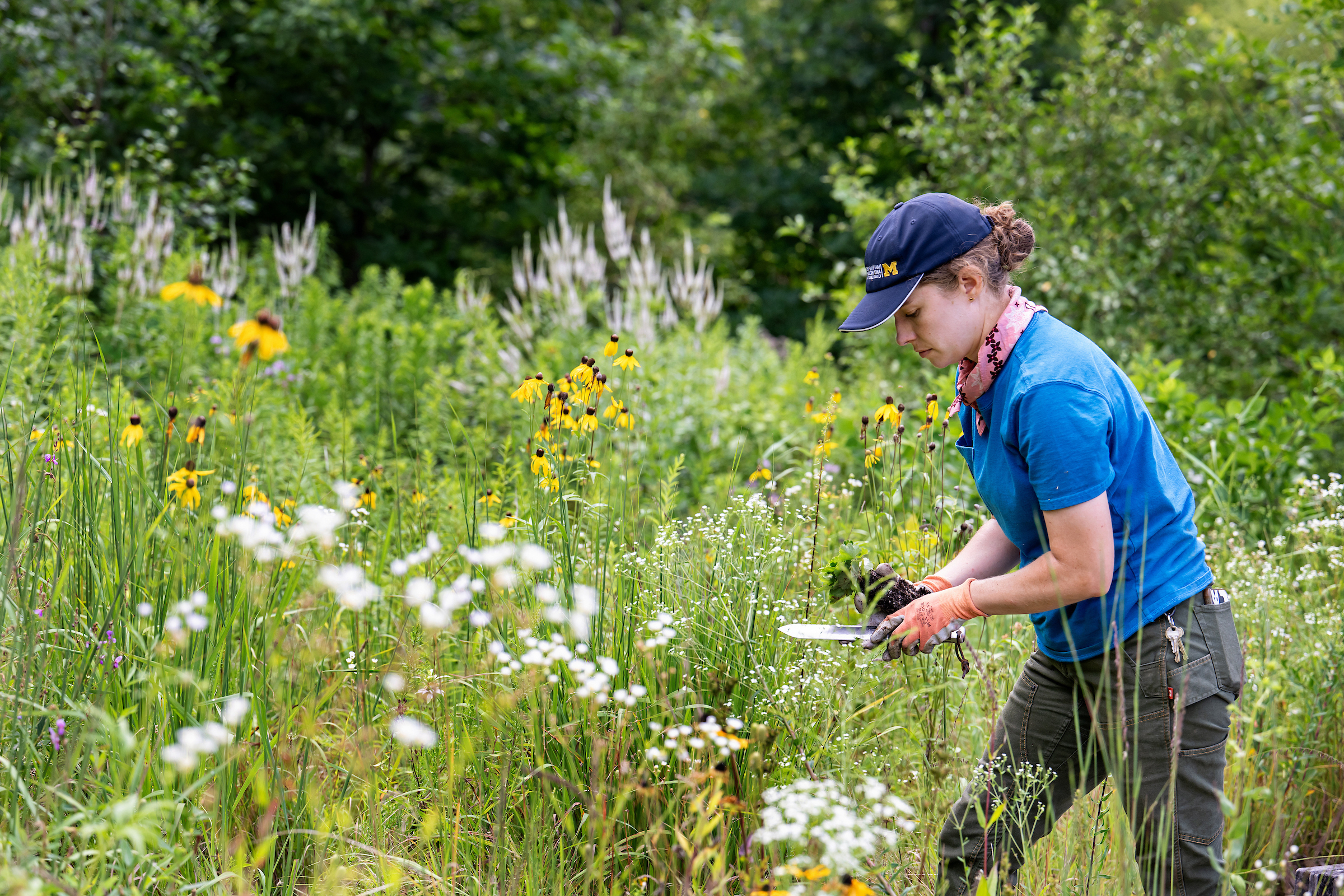
Our Mission
Matthaei Botanical Gardens and Nichols Arboretum is a transformative force for social and ecological resilience through the waters and lands we steward. We turn this commitment into action by:
Positioning humans as active participants within the natural world and compelling the university community and our publics to negotiate the full complexity that entails.
Advancing partnerships, programs, and all that we steward to catalyze access and impact in a radically changing world.
Emerging as University of Michigan’s premier partner for research, teaching, and public impact in sustainability, climate-forward practices, and biocultural diversity.
Promoting healthier communities, cultures, and ecosystems through active care and cultivation of the gardens, fields, natural habitats, and dynamic systems that sustain our world.

525,000 visitors
Trailing only Michigan Medicine and UM football in attendance.

841 Acres
Across four sites including the gardens, arboretum, a bog, and a nature area./user/1/edit

30 Percent
of the University of Michigan’s physical footprint in Ann Arbor.

Miles of Trails
Including the popular Matthaei Botanical Gardens Trail.

4000 Early Learners
Engaged through youth education and other programs for young people.

3,200 Students
Reached through more than 40 different classes.