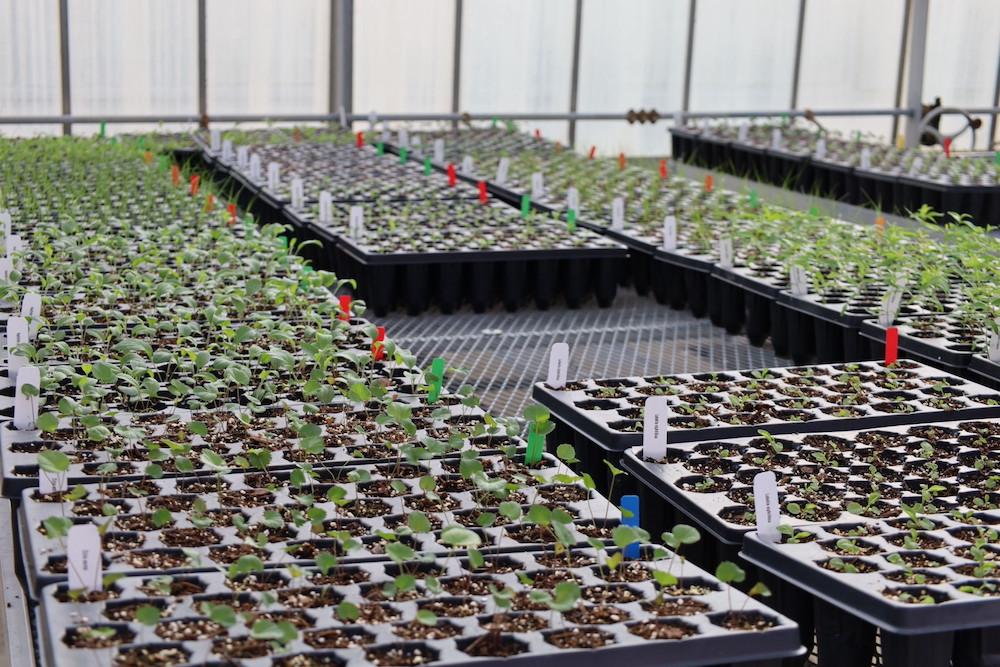
March in Michigan is a threshold month. The snow hasn’t fully let go, but the light is changing. The days stretch a little longer. The air smells different. And gardeners start to feel it - that quiet pull toward spring. It’s the season of seed packets and soil trays, of imagining what might grow.
We talked with Calla, our Native Plant Gardens Horticulturist, about starting plants from seed and why this in-between season is the perfect time to begin.
Why should people start plants from seed instead of buying mature plants?
I think the first thing that comes to mind is that it's a really budget-friendly way of expanding your garden or even gifting or sharing plants with others.
Another thing is that it's kind of a full-circle garden experience. A lot of times, people think, okay, it's fall, I'm done in my garden until May. But there's a whole other world that you can engage in by starting seeds in the winter season.
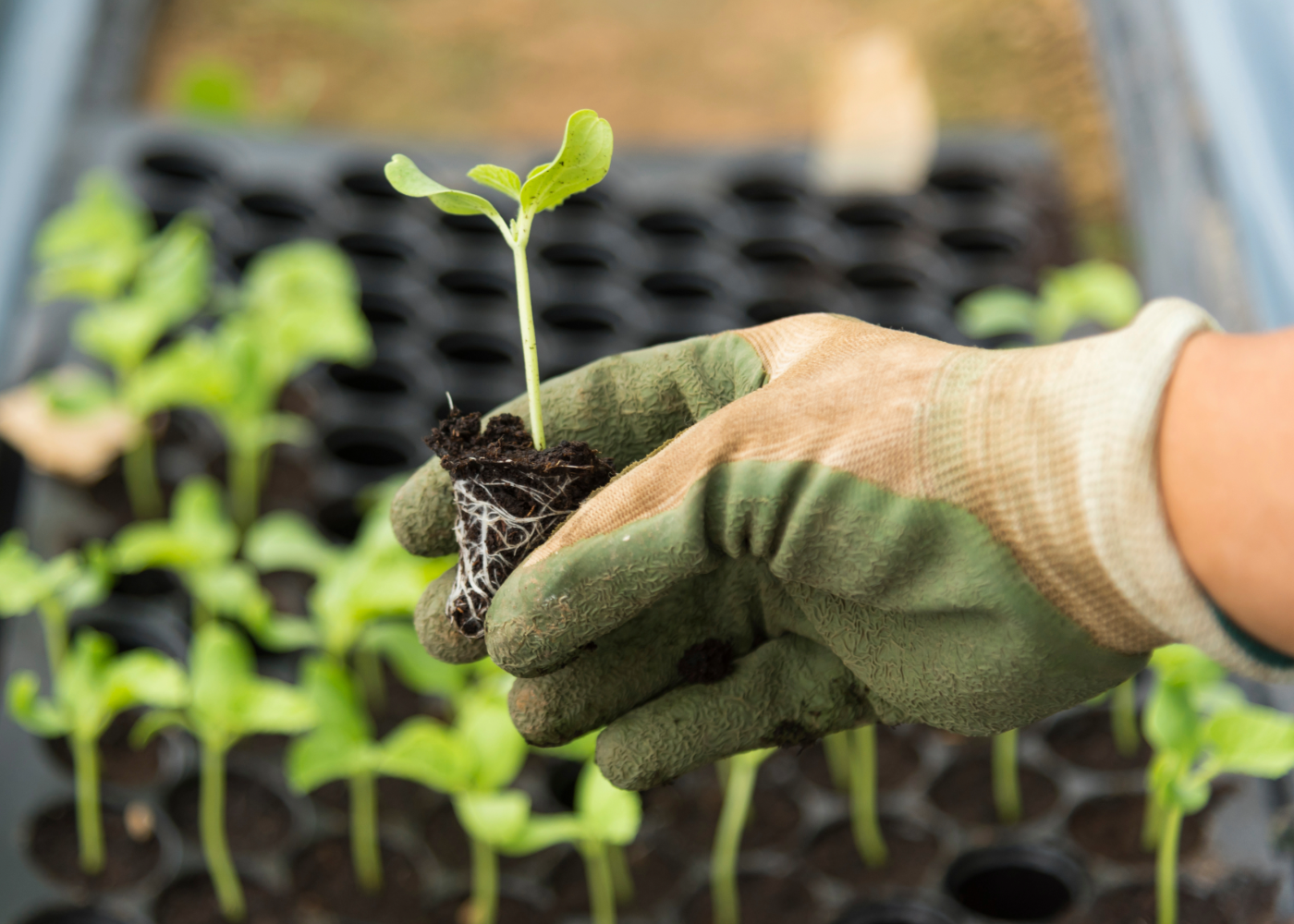
It’s also a great learning opportunity. You get to see the seedlings when they're just emerging from the soil. It gives you kind of another edge, right? If you can identify a seedling when it's really small, it's just super helpful for your own space.
And if you're into gardening, it's just a really fun experience.
Are the basics of seed starting the same for vegetables, annuals, and native plants?
I would say the principles are similar in that you want your seed to have contact with soil.
Many native plants are very easy to grow from seed. If you plan to start them inside, or use milk jugs to sow in winter, most bagged potting soil/seed starting mixes will work.
Vegetables tend to maybe need a little bit of a warmer environment. A lot of people will grow them with heat mats or use humidity domes. With native plants, heat helps speed germination, but they aren't as reliant on super-warm temperatures. In fact many respond to cycles of warm and cool temperature, like they would experience naturally in winter and spring.
Do all native plants need cold stratification?
Not all of them. We have a small handful that don’t need to be stratified, and then the majority of them are at least 30 days. Which makes sense, right? Because that’s our weather here. They need that little bit of winter cold.
If someone didn’t stratify their native seeds yet, is it too late?
No. A snowy day is actually a perfect time to just direct sow seed out in your garden.
Let’s just say you got a pack of seeds and you want to get them out there, you can just put them on top of the snow, and eventually they'll work their way down to the soil. The goal for the seed is to make contact with some bare soil.
They’re adapted to these conditions.
For those without a dedicated greenhouse, as we have here, is a sunny window enough?
I would say, why not try? Because the worst that happens is that you learn from it.
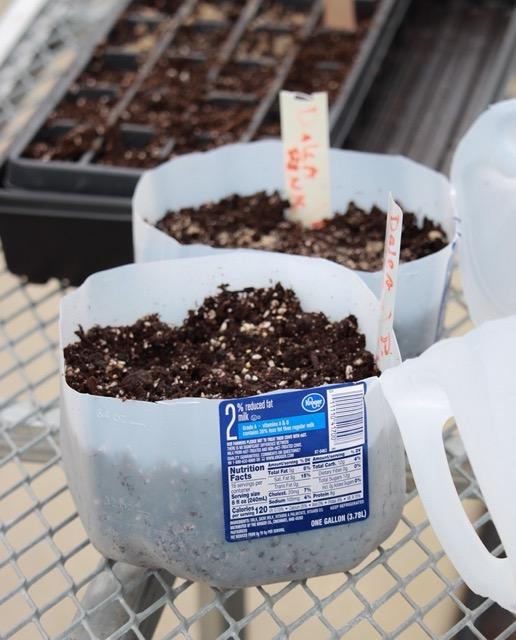
Another option is milk jug seed starting. You're essentially creating a mini greenhouse in a recycled container. It’s literally just acting as a small greenhouse. It’s a very common method, and it works.
What kind of soil works best for starting seeds?
In a perfect world seedlings do best in a sterile, lightweight seed-starting mix, something that holds moisture but doesn’t get waterlogged easily. Many mixes have peat in them, which is a non-renewable resource, so it’s good to be aware of that and choose your mix accordingly. Otherwise, don’t get hung up on finding the “perfect” soil; just pick a mix you can get and give it a try.
How much should seedlings be watered? Is watering plant-dependent at the seedling stage?
Seedlings can be vulnerable to drying out, but it’s a fine line between not letting them dry out and not having them sit in soaking wet soil. One simple way to check is to stick your finger in the soil. The surface might look dry, but a little deeper and it could still be moist.
There’s really no perfect answer as far as how often to water - it really depends on the weather and your environment. Maybe your window gets super hot, or maybe it’s been cold and cloudy for a week.
I generally treat our seedlings the same and water only when I see the soil surface drying. There are exceptions of course, like butterfly weed (Asclepias tuberosa), which needs well drained conditions. Beyond that, I don’t worry too much - it’s mostly about paying attention and learning as you go. Seedlings are good at showing you when they are unhappy and you can adjust your watering as needed!
What are the most common mistakes people make when starting seeds?
I’ve made every mistake - and I still make mistakes.
It’s hard because every year is different. You can have the same plant that you collect seeds from, and one year you have amazing germination. The next year, nothing.
Overwatering is probably the thing I had to mentally train myself to watch. You want to take really good care of the plants, but sometimes that leads to root rot.
Another big one is using too much seed. It’s human nature to think, “What if it doesn’t germinate?” So you add a little more and a little more, and then you end up with 1,500 columbines in a flat. Which might sound fun, but once they start growing, it’s really hard to separate them if they’re too crowded.
What’s one plant everyone should try growing from seed at least once?
I’m going to say two.
One is Black-eyed Susan (Rudbeckia hirta). It’s really, really easy to grow. It’s been really forgiving for us, and it grows really quickly. The leaves are also very hairy/fuzzy!
The other is wild columbine (Aquilegia canadensis). It’s such an all-around wonderful garden plant. It can grow in shade, it can handle hot and dry conditions, and hummingbirds pollinate it. The leaves are so beautiful and delicate. It just feels very springy to me.
Any final advice?
This is just the way that we've done it here. I know there are a million different ways that people grow plants, and none of them are right or wrong.
It should be enjoyable.
Don’t be afraid to mess it up, because it’s just learning.