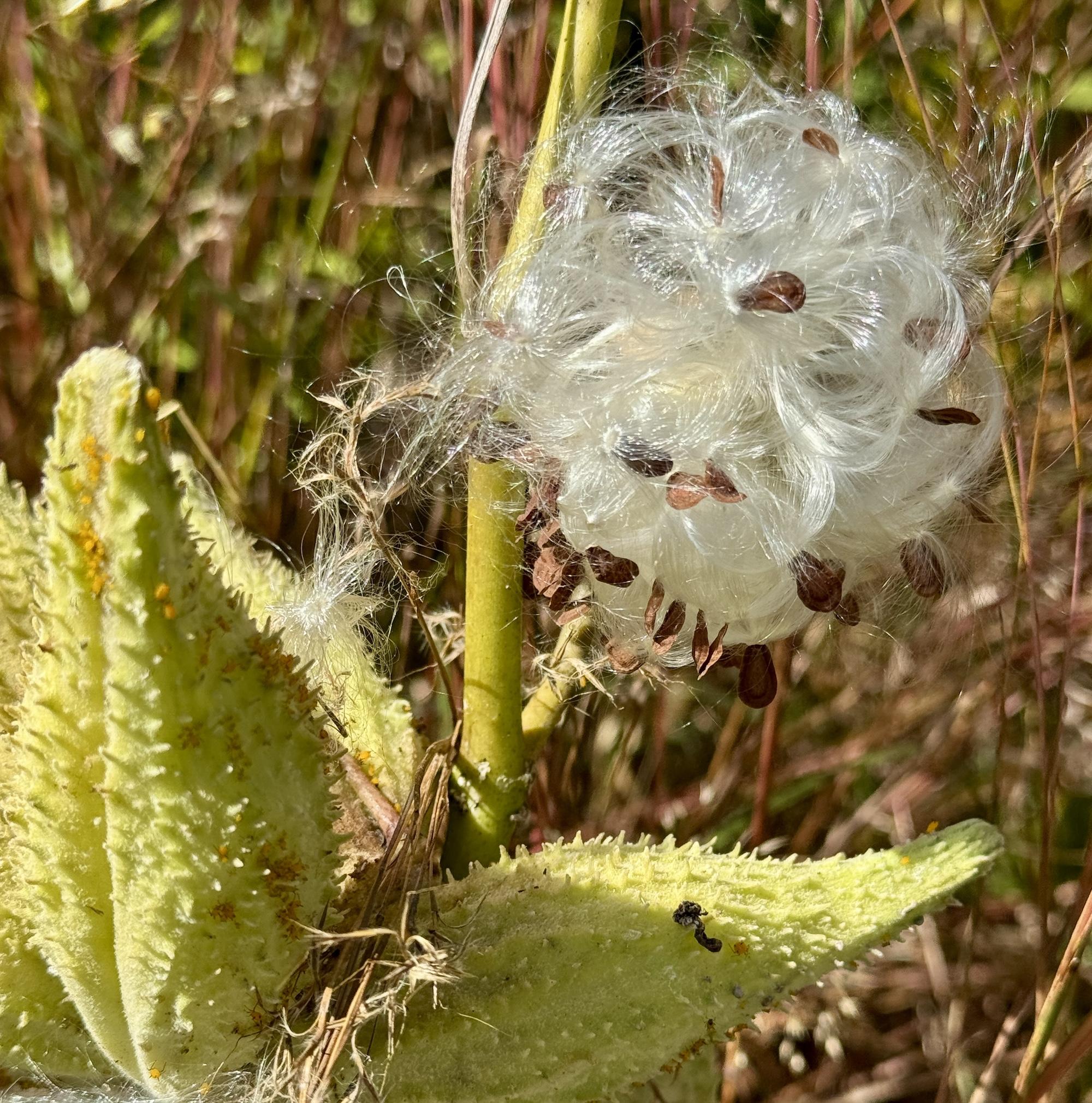
Milkweed seeds ready to be collected
October is the perfect time to collect and save seeds from your garden.
By the time October rolls around in Michigan, most of us are ready to pack up the garden. The tomatoes are slowing, flowers are fading, and frost is just around the corner. It feels natural to want to clear everything out and make things tidy again. But if you pause for a moment, you’ll notice something important: the garden is full of seeds. Tucked inside dried pods and wilted blooms, they’re just waiting for someone to gather them up and give them another season of life.
Saving seeds isn’t complicated, and it connects you to a tradition as old as gardening itself. Long before neatly packaged seeds filled store shelves, families and neighbors shared the ones they had collected themselves. At MBGNA, Native Plant Horticulturist Calla Butler carries on that tradition, leading seed collection for educational programs, plant sales, and planting within the gardens themselves.

Why Save Seeds?
At its core, seed saving keeps your garden going. Instead of buying new packets each spring, you can carry your favorite plants forward from one season to the next. It’s economical, but it’s also about resilience, as saved seeds often adapt over time to local conditions.
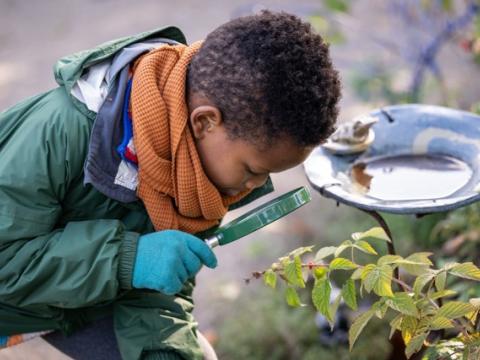
At MBGNA, Calla Butler sees how naturally people connect to the practice. “It’s a really neat, hands-on activity that we can kind of do with basically anyone,” she says. “There’s a tactile interaction people can have. They can smell them, touch them. It’s interesting how universally fascinating it is, even for people who maybe have never gardened.”
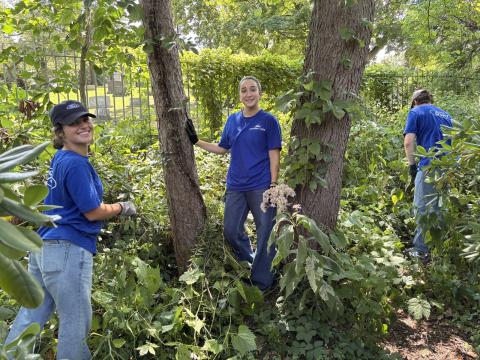
The seeds gathered at MBGNA also sustain the gardens themselves, supporting education programs, the Native Plant sale, and new plantings across the sites.
Collecting Seeds
For home gardeners, some plants make especially good starters. Beans and peas are ready when their pods rattle. Flowers like marigolds and zinnias practically hand over their seeds once the blooms dry. Tomatoes and peppers need a little extra care as the pulp has to be removed, but it’s straightforward once you try it. Native plants are also excellent candidates. Many are surprisingly easy to propagate from seed and, once established, they come back year after year with little fuss.
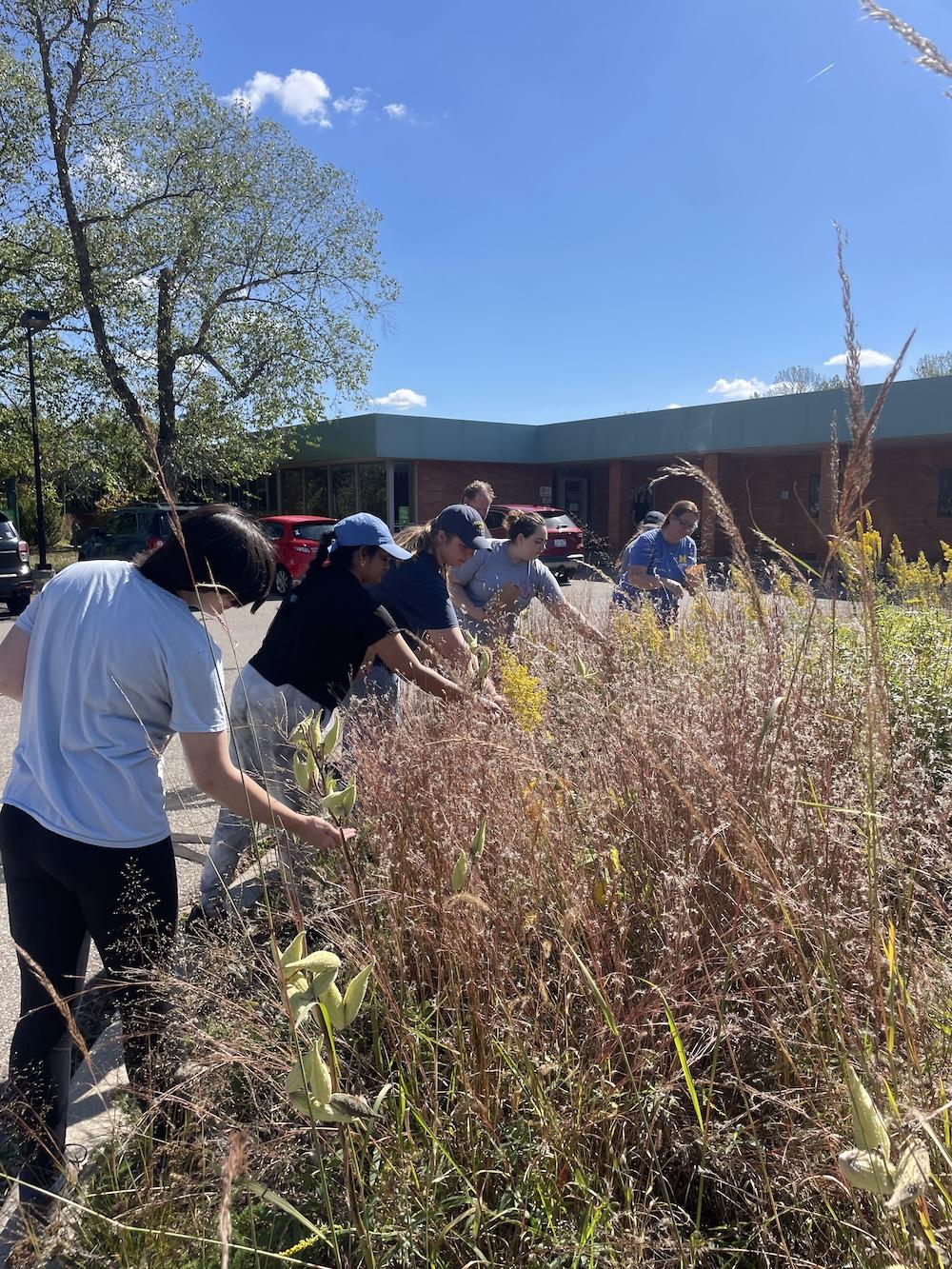
As for when to collect seeds - “It’s most important to wait for a dry day,” Calla advises. “Afternoons are better because the morning dew dries off. You want to avoid water, which may cause mold on the seeds.” Collection can run all season long, starting as flowers finish, from spring ephemerals to fall bloomers.
Storing & Sowing
No matter the plant, seeds should be dried completely before storage. Spread them out in a cool, dry spot for several days. A paper towel, tray, or screen works well for this. Once crisp, tuck them into a paper envelope or jar, labeled with the name and year. For short-term use, refrigeration isn’t necessary, though it can help keep pests at bay. For longer storage, the fridge offers a stable, cool environment that maintains viability and keeps your seeds safe from pests.
When it comes time to sow, most vegetable and annual seeds are best stored until spring and planted once the soil warms. Many native seeds, however, can be sown directly outdoors in fall. The cold, moist conditions of winter, known as stratification, help trigger their germination in spring. Gardeners who want more control often use the “milk jug mini-greenhouse” method, sowing seeds in a ventilated container left outside to mimic natural cycles while keeping seedlings easy to monitor and move.
The Rewards of Seed Saving
Seed saving, Calla says, is “a really nice, full-circle” activity for gardeners. “When I grow from seed, it helps me identify when things are first literally emerging, when they’re super teeny tiny. It’s a great way to learn a little more. And you can share seeds with friends and family, too.”
Saving seeds changes how you see your garden. You notice how plants flower, how pods dry and rattle, and how seeds scatter. It’s a way to slow down and engage with every stage of growth, from sprout to bloom.