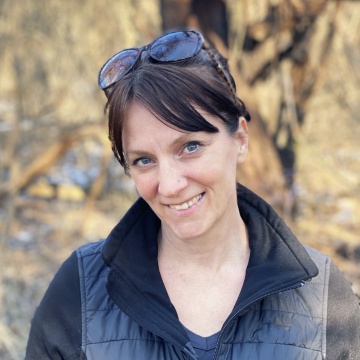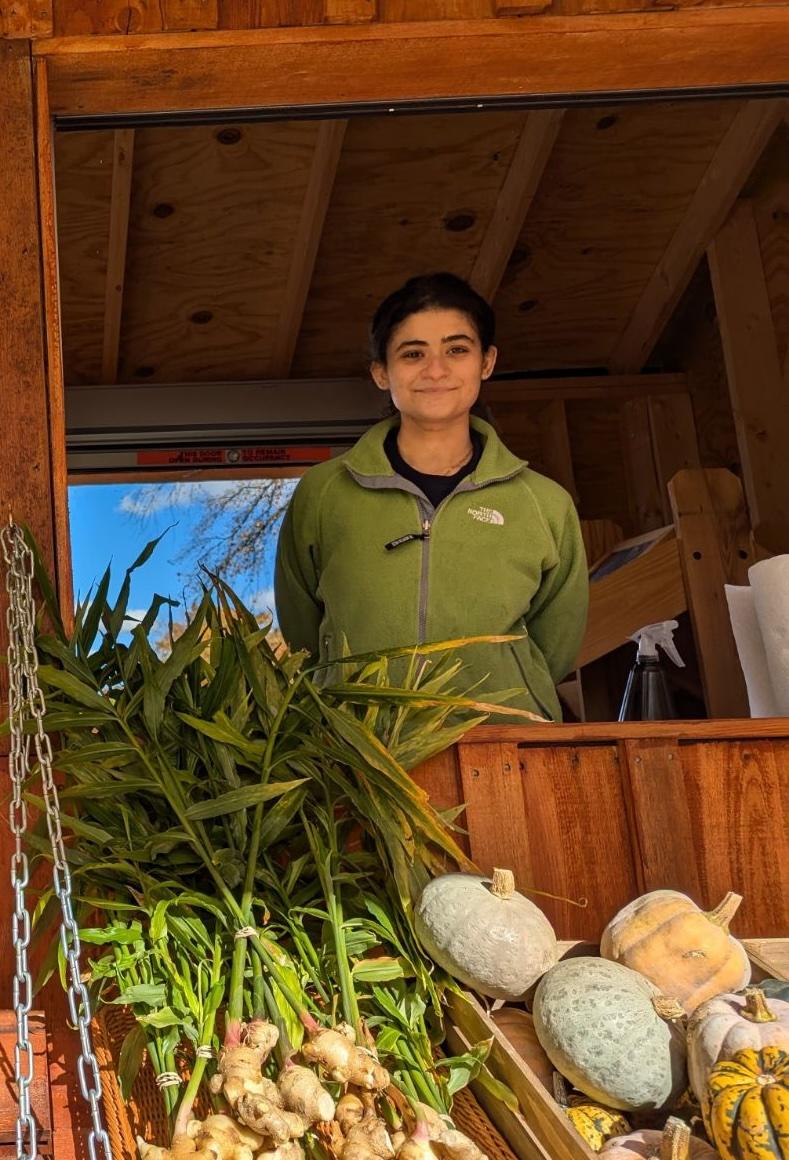


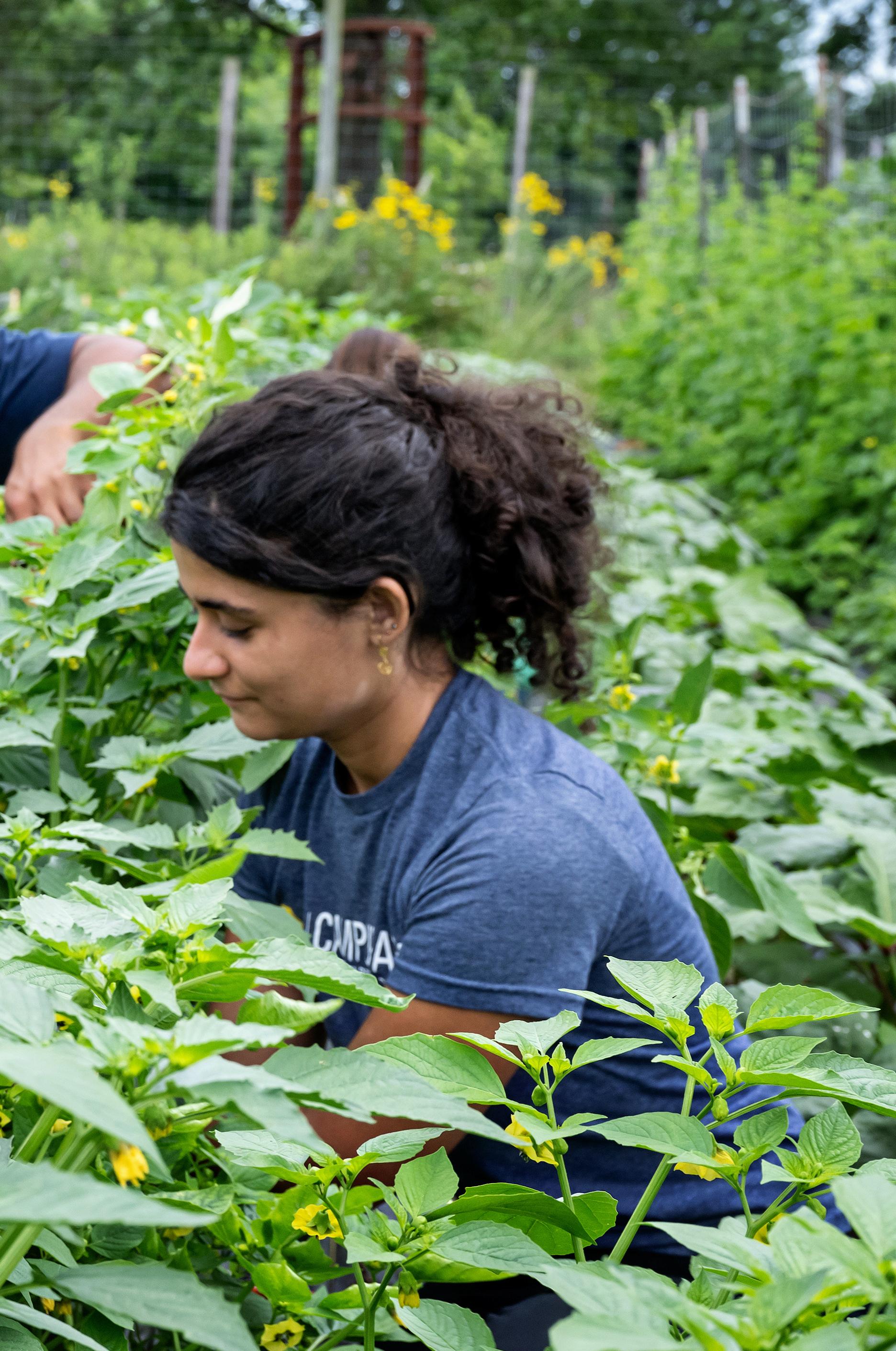
Yumna Dagher’s path through the University of Michigan has been shaped by a deep commitment to land, community, and the kinds of relationships that make climate work real. Many in our MBGNA community know her from the Campus Farm fields, the Mobile Farm Stand, or the Refugee Garden - spaces where she helped build connections, confidence, and capacity alongside students, families, and local partners.
This year, Yumna’s vision and leadership earned national recognition with her selection as a 2025 Rhodes Scholar. At Oxford, she’ll continue exploring the intersections of culture, environmental stewardship, and community resilience, fields that have been central to her time here at Matthaei Botanical Gardens and Nichols Arboretum.
Before she begins this next chapter, we sat down with Yumna to reflect on the programs, people, and hands-in-the-soil experiences that shaped her as a leader and as a thinker.
You’ve been such an integral part of MBGNA over the years, contributing through hands-on, community-focused experiences like the Campus Farm, the Farm Stand, and the Refugee Garden Youth Education Internship. Looking back at your roles across these community-rooted programs, how did they help you grow into the kind of leader and thinker you are now?
I think they've taught me that leadership begins with leveraging trust across the table -- none of these projects are the work of one person, but many passionate people who care deeply about the work they do. This feels so emergent in our current climate crisis -- we're going to need all kinds of skill sets and thinkers to work on these issues on local scales.
Students often tell us these programs help them connect their studies with real-world impact. What lessons did you take away from leading and participating in these projects that you couldn’t have learned in a classroom?
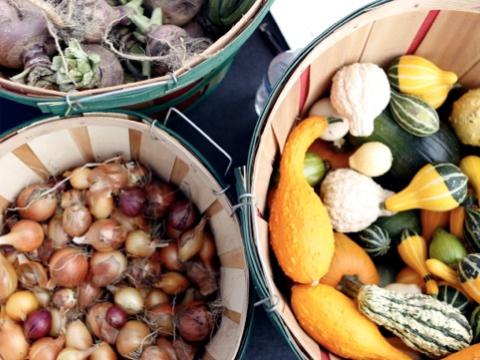
Working on the Campus Farm felt like a Market Gardening intensive — I came into the internship with an appreciation for local food systems and the people who contributed to them, but had no idea of what it took to produce that amount of food at scale. I think it made me realize that whatever I do in the future, I want some good part of it to be outside, working with other people.
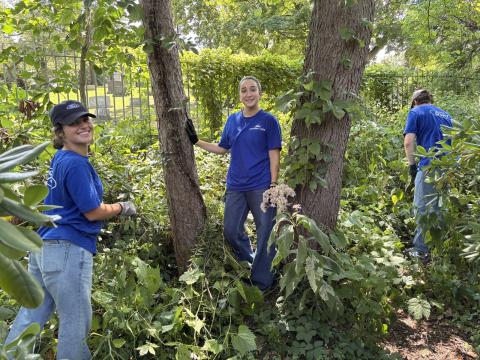
I remember when I first started the internship, I thought I wouldn't make it! I was so scared by the thought of the constant physical activity and the hot sun. At the end of our first day, we got straight to work, seeding in the greenhouse. But I quickly found myself impressed at the resilience me and my team members put up with, the care and attention we brought to our work, the many thousands of pounds of produce grown by our own hands. At the same time, there is so much to be learned from working outside, so much noticing to happen. Farming is slow and fast all at once, and I love it!
In the Refugee Garden internship, you worked closely with youth and families and helped coordinate a collaborative program. How did that experience shape your understanding of service, care, and leadership?
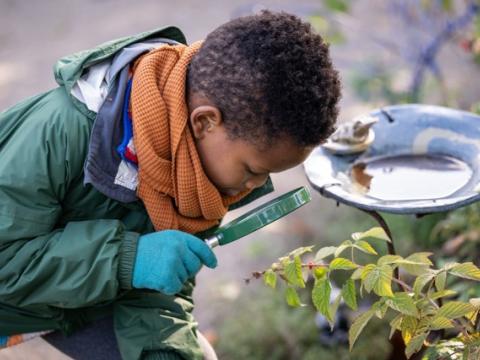
As for the Refugee Garden, the work facilitated between Jewish Family Services, and Matthaei Botanical Gardens is transformational. Being able to facilitate the experience of rooting someone in new soil, ensuring their basic needs are met — not just food-wise, but also spiritually and socially — land-based practices leave space for such creation and healing. Part of the service involves facilitating growth and learning, which means that as the facilitator, you must be keenly aware of that process for clients. Care becomes an active and attentive practice, changing plans day to day based on client needs, celebrating wins, and showing and learning with one another. And as the season goes on, you see clients transform from unsureness to ease, which makes all the work worth it.
And finally - reflecting on your journey with MBGNA and the Campus Farm, what lessons from your experiences will guide the kind of impact you want to have?
I want to continue working in food, using it as a pathway for healing and building community. I also see that climate resilience is rooted in people, in making our connections strong and attentive to collective and community needs - Matthaei / Campus Farm taught me that stewardship begins with the hard, necessary work. It takes time to build trust in the community. But it makes it all more rewarding!