As the weather this year has continued to be mild well into November, I have to admit, I’m a bit stunned to find myself here at the cusp of the final month of the year. Yet I recognize Nature’s most reliable signals to slow down and consider. The days are shorter and the nights longer. The wind gusts strong and cold from the Northwest. The leaves gather in piles to provide habitat to insects, and I follow their insect example and cozy up in my own human habitat. I feel a deep call to slow down and reflect; to slow down, light that candle, and just be.
Yet, my intuition is interrupted because I also feel the weight of lists, countdowns, and perhaps a little more pressure than I really want to feel as I anticipate the excitement of family celebrations and traditions and holidays. To be my best, I want to be restored, calm, energized and whole. And so, I remind myself: go out and play. Yes, I’m talking about Nature Play.
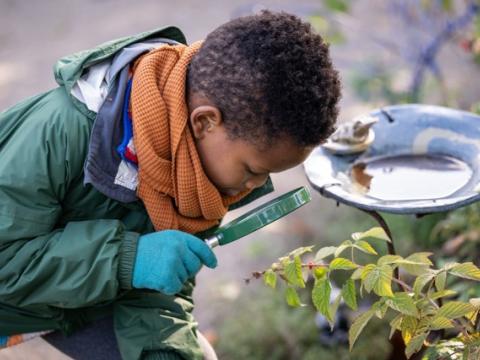
At MBGNA, we frequently use the language of Nature Play as both a specific and a general concept. Specifically, Nature Play can happen when we are free to enjoy an existing or managed Nature-rich environment, freely engaging with and exploring natural objects, materials, habitats, and concepts, using our many senses and our whole body, guided by our own curiosity and creativity. Bearing in mind the characteristics of play – self-chosen, intrinsically meaningful, fun, generally “non-productive” – we may also frequently use the more general language of recreation and outdoor leisure as an age inclusive synonym for Nature Play. Either way, we know through both scholarship and lived experience that Nature Play restores us, frees us, paradoxically calming and energizing us at the same time, no matter our age. (Moll et al 2022). And if we pay attention, Winter invites all of us to play outdoors.
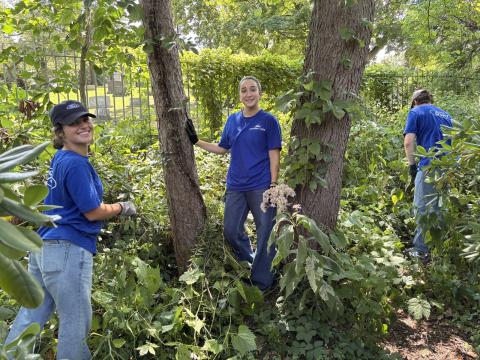
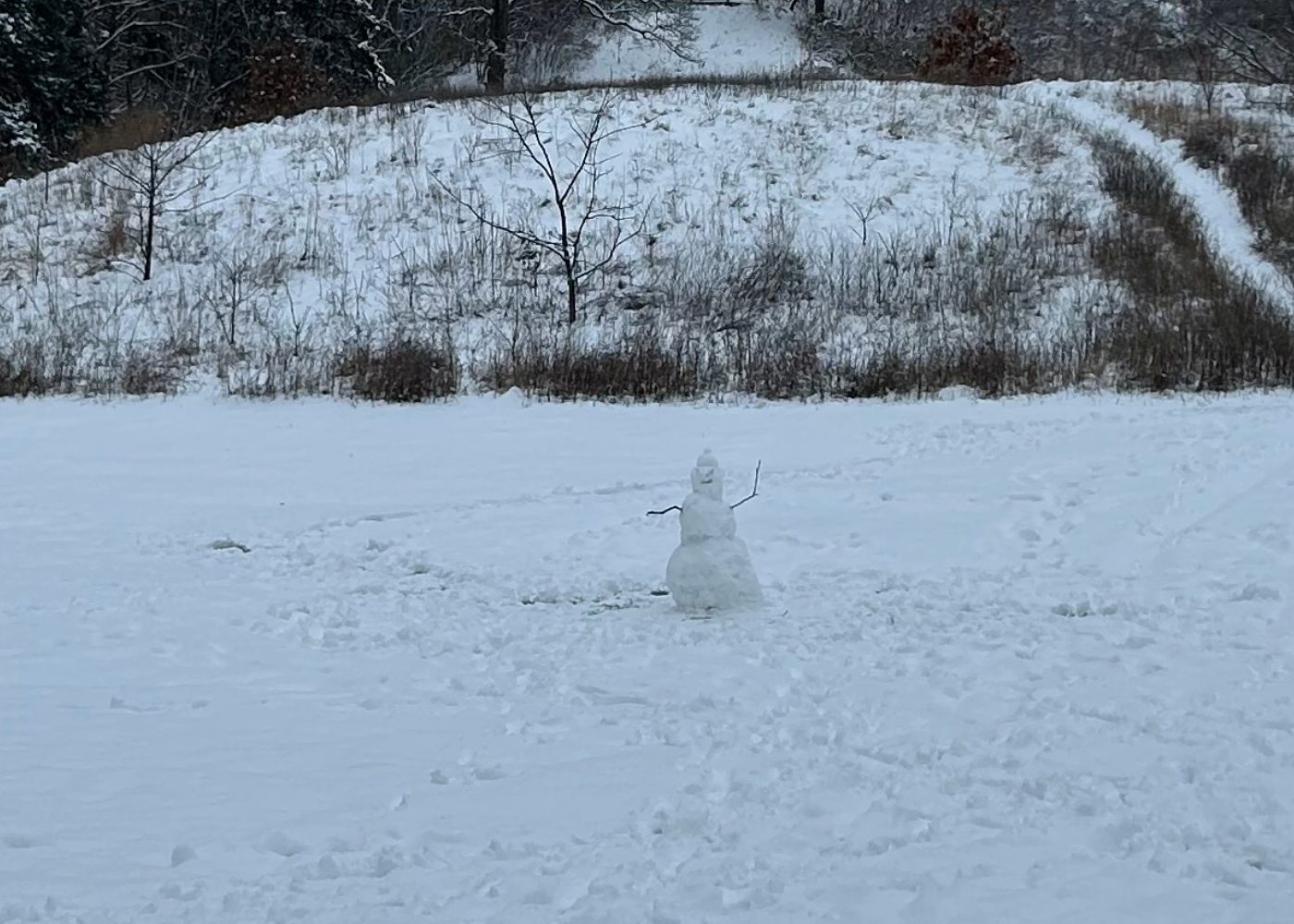
Choosing to take a walk outdoors – particularly without the distraction of a phone or headphones – is an accessible example of low barrier Nature Play that works for a range of ages. Feeding and watching birds at an outdoor feeder can be a bit of Nature Play. Using readily available cardboard boxes to sled and skate on snow and ice can be Nature Play. Foraging some bits of plants to shape into a seasonal gift could be a type of Nature Play. Believe it or not, I find shoveling snow a bit of Nature Play for myself, as I like to approach the fallen snow as a blank canvas, and use my shovel to inscribe a poetic or silly mantra, before I shovel the snow into big banks along my driveway and sidewalk. Sometimes I notice the neighborhood children and the postal carrier clamber over those same snow banks and wonder if they are considering that their type of Nature Play?
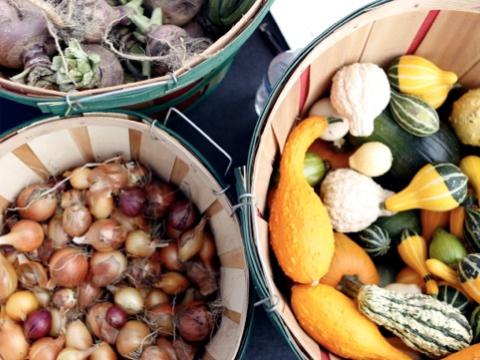
This Winter, MBGNA offers many types of invitations for Nature Play across the age range. Seasonally, we invite you to enjoy and engage with the MBG conservatory Winter exhibit EAT! Families with young children are invited to play at our EAT! aligned Farm-to-Kitchen child Nature Play sessions in Greenhouse 3 North. Every single day Nature and play await on MBGNA trails, and on select days you may find your own type of Nature Play during MBG Wonder Walks. The Gaffield Children’s Garden is open everyday that Matthaei Botanical Gardens is open. And, in January, we encourage you to get out and play along with MBGNA during our #everydayoutdoors social media campaign. No matter how you choose, or what your age, we hope you accept Winter’s invitation to play – for health, wellbeing, and pleasure.

Lee is a dedicated educator and horticulturist who uses her background in literacy education, sustainable garden design, and community-based initiatives to champion the importance of outdoor play at MBGNA and beyond. Her exploration of the health benefits of nature access is motivated by her belief in the transformative power of the outdoors, her affinity for diverse plant cultivations, and her love for outdoor experiences.