Do you ever wish you had a pet that didn’t bark, meow, or squeak in the middle of the night? Good news - MBGNA has something better! This September, we invite you to “befriend” a plant in our outdoor gardens and watch it change as fall arrives. It isn’t about owning a plant, but rather forming a friendly relationship with one. By taking the time to observe and care about what happens to it, we learn how to treat nature thoughtfully and take responsibility for protecting it. So no leash required, just curiosity, a little time outdoors, and maybe a notebook or camera.
Here’s how it works:
Pick up your Plant Pal Certificate. The front desk can give you an official Plant Pal Certificate to fill out and take home.
Pick your plant. It could be a towering yellow flower, a shady sycamore tree, or a bush tucked along the trail
Give it a name. Choose something fun or personal to you. Creativity is encouraged!
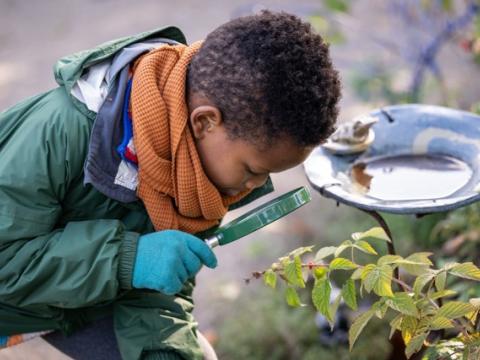
Visit regularly. Check in on your plant each week. Notice changes in its leaves, flowers, or seeds. Use a Detective Mission Packet to explore new parts of your plant each week.
Document your journey. Draw, photograph, or write about your plant’s life this fall!
Join us on our WonderWalk. Wednesday, September 10, 2025 from 5:30-7 pm, we have a free, guided nature walk all about how your plant may change in the fall, and how your stewardship supports green spaces.
By the end of the season, you’ll have watched your plant live through the final stretch of summer and into the start of fall. You may even know it better than anyone else in the world. And the coolest part? You’ll be connected to the gardens in a way that’s personal and lasting.
Why Befriend a Plant?
Plants might not have eyes or voices, but they have stories, the same as the rest of us. When you choose one plant to visit and observe, you start noticing details you never paid attention to before. You’ll see which bugs call your plant home or which animals are neighbors. Along the way, you may find yourself feeling more aware and mindful, too.
You’ll learn well-being. Being outside in a quiet place, slowing down, and tuning in to the life of another living thing can reduce stress and help you feel more present in the moment. Small, mindful acts in nature, such as sketching your plant, taking notes, or simply observing, are a form of self-care. By building a practice of visiting your plant each week, you develop a relationship with the natural world that restores your own sense of balance and encourages a deeper sense of stewardship and reciprocity with our shared home.
You’ll learn patience. Plants grow and change slowly, which makes each new change feel like a small party. Spending 15 minutes to sit with your plant each week can help you celebrate small wins.
You’ll learn observation skills. You’ll start seeing differences in shapes, colors, and even textures. You might even start recognizing the other plants that have grown nearby or which bird species hang around the most.
You’ll build a connection. Just like you might check in on a friend, you’ll want to check in on your plant. Watching it grow will help you notice all the good it has brought to its community. Maybe it’s a pollinator plant, or food, or shelter for other organisms. As you get to know its role, you may also start to reflect on your own and what it means to care for the places you’re part of. How are you supporting the community you live in simply by existing, and how might you take small steps toward being an active steward of our shared environment?
Why September is the Perfect Time
September is a special month in the gardens. The air is getting cooler, but the plants are still busy. Late-blooming flowers are showing off, and trees are just beginning their shift to reds and yellows.
It’s also a season of transition for humans and animals! Keeping warm in the winter might mean preparing for migration or making a warm den. This means you’ll have front-row seats to changes you can actually see each week. Some plants may start dropping leaves. Others might send out their last flowers for the year. Bugs may disappear seemingly overnight.
If you start your friendship now, you’ll witness this transformation from late summer into autumn, one of the most dramatic shifts in nature’s calendar.
How to Make the Most of Your Journey
Visit with all your senses. Look closely at colors and shapes, carefully feel the textures, close your eyes and listen for new sounds, and breathe in the scents of flowers or soil.
Bring a friend or family member. Show them your plant and share updates. Teaching someone else about it will help you learn and teach others to care.Keep a Plant Log. Write down the weather, changes you might see, and anything unusual. Add drawings or take photos! You can use the Detective Mission Packet as a guide.
Create a goodbye moment. When the season ends, thank your plant for sharing its space and story with you. Feel free to visit your plant as fall turns to winter. Maybe you’ll revisit it in the future, or maybe you’ll find a new plant to look after!
Congratulations! You are now an official Plant Guardian of the Matthaei Botanical Gardens & Nichols Arboretum.
Remember: Your plant stays here in the gardens, but your care and attention help it thrive as part of our living collections