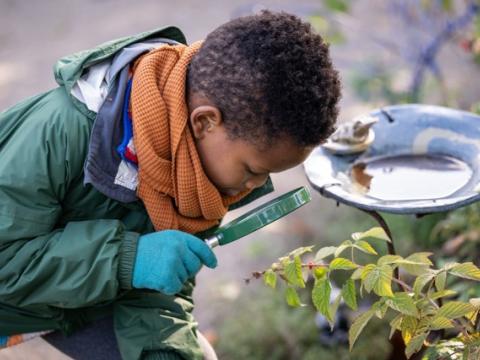
Young children sometimes seem to spend very long stretches of time repeatedly exploring specific objects and behaviors during their play. This is valuable, biologically driven behavior – sometimes called play schema – and it is a win-win when parents accommodate, encourage and provide space and materials for exercising play schema. Recognizing play schemas in action can provide a window into their own children’s cognitive and emotional world, and providing opportunities for this repetitive play supports the development of problem-solving skills, creativity, and social interactions by honoring their child’s preferred ways of exploring and understanding the world around them.
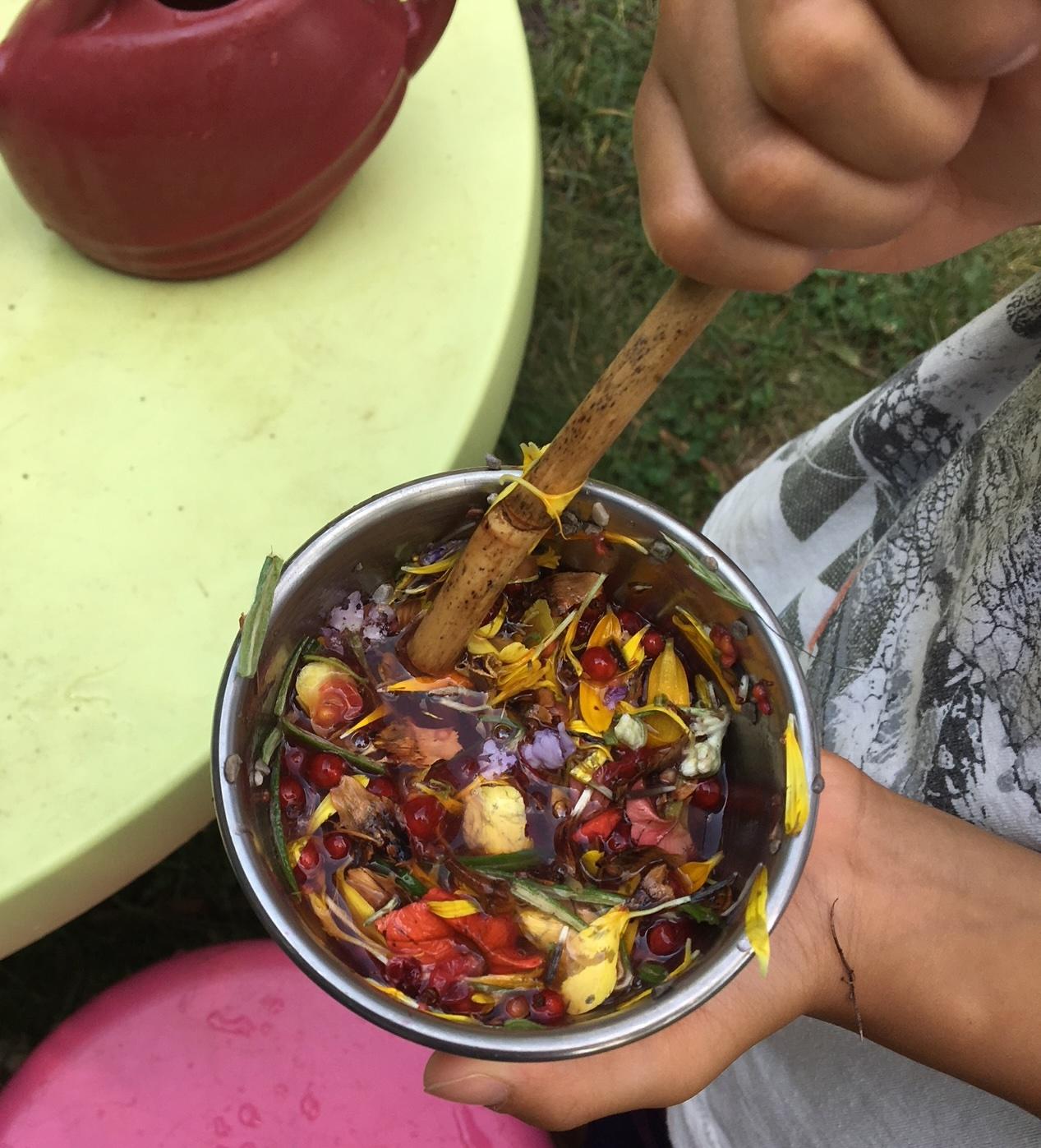
One play schema is called the Transforming schema. Children engaging in Transforming schema enjoy observing and discovering how things change. Materials that support Transforming discovery behaviors might include: water, mud, clay, flowers, leaves, spray bottles, seeds, paint. MBGNA’s favorite Transforming schema center play is Nature Potions play. Here’s an easy way to duplicate this type of play at home.
Nature Potions
Possible Materials
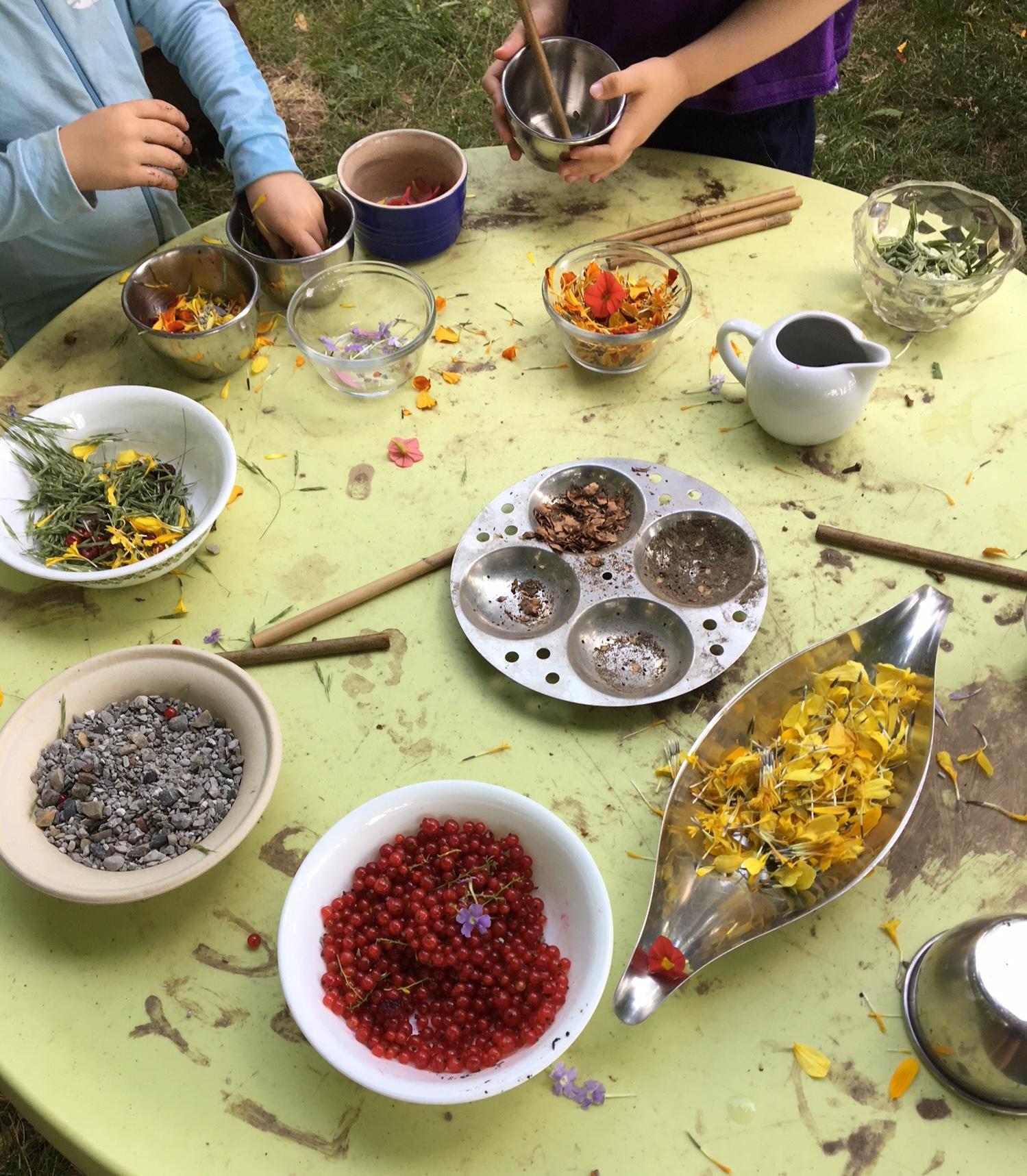
- Small collections of flower petals
- Cut up pieces of grass
- Bark
- Sand or pebbles,
- Colored water
- Water droppers
- Small pitchers
- Small mixing bowls
- Stirring sticks
- Small tongs
Step by Step
Depending on the age of the child, either set up the Nature Potions station, or invite the children to go outside to collect and set up their own Nature Potion ingredients and materials.
Outside at a comfortable, child-friendly location, offer small bowls of small, natural materials, perhaps paired with tongs, cups of colored water with droppers, maybe a mortar and pestle or a small bowl and a stirring stick.
Invite the child to mix up some Nature Potions, and then lean back. Every now and then, you might ask an open-ended question (one with no right answer, but that might prompt your child to tell you more about what they are thinking while they are transforming the ingredients), but otherwise, enjoy their engagement and self-direction.
Some children will want to simply mix potion after potion after potion, other children might tell elaborate stories while they are mixing and transforming. Older children might enjoy adding some essential oils to their colored water for another sensory experience.
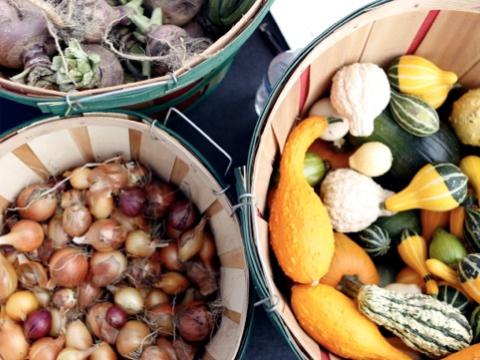
Aha! Children might enjoy further extrapolating the transforming play into making a (Nature Potion) salad for the family’s dinner – the garden or the Farmer’s Markets are filled to the brim with fruits and vegetables perfect for Nature Potion salad in August! – or cooking with their siblings and parents. Cooking is an example of the transforming schema play that some humans explore their whole life long, after all.

Lee is a dedicated educator and horticulturist who uses her background in literacy education, sustainable garden design, and community-based initiatives to champion the importance of outdoor play at MBGNA and beyond. Her exploration of the health benefits of nature access is motivated by her belief in the transformative power of the outdoors, her affinity for diverse plant cultivations, and her love for outdoor experiences.