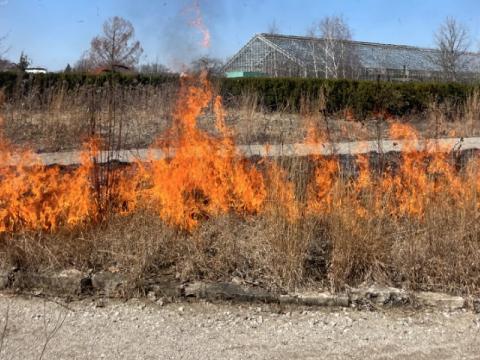
This May marks 25 years of the Environmental Interpretive Center (EIC) at the University of Michigan-Dearborn. Like Matthaei Botanical Gardens and Nichols Arboretum, the EIC is part of a broader University of Michigan network of places where natural areas support teaching, research, and public programs rooted in sustainability. Since opening in 2001, it has connected people to a 120-acre landscape shaped by history, ecology, and community.
But the story of the EIC begins well before the building itself.
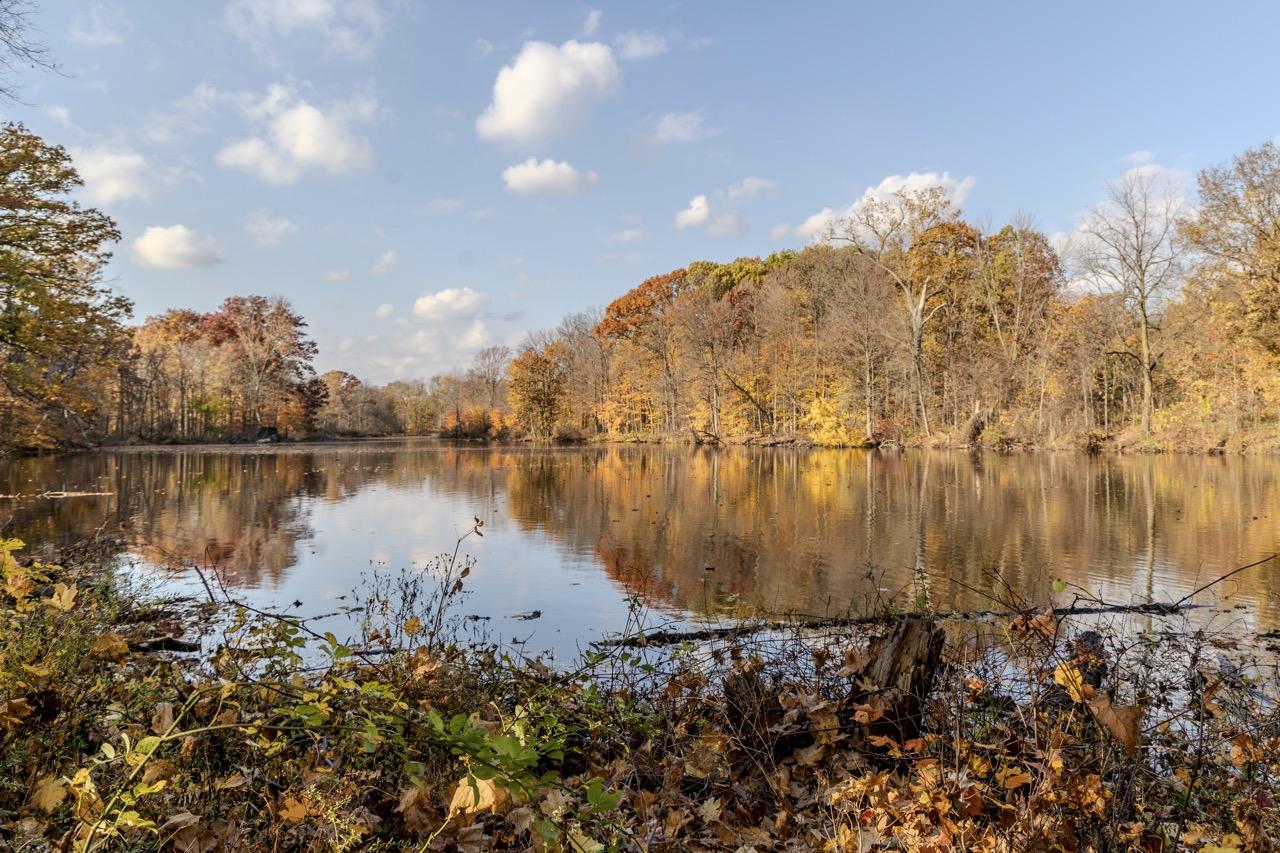
The land has been evolving for decades. In 1959, Ford Motor Company donated the Henry Ford Estate to the University of Michigan, with part of it set aside as a Natural and Historic Area. Over the years, areas that were once maintained as formal gardens and farmland were left alone, and the landscape began to shift on its own. Some spaces were left to return to a more natural state, creating a landscape that today reflects both human intention and ecological change.
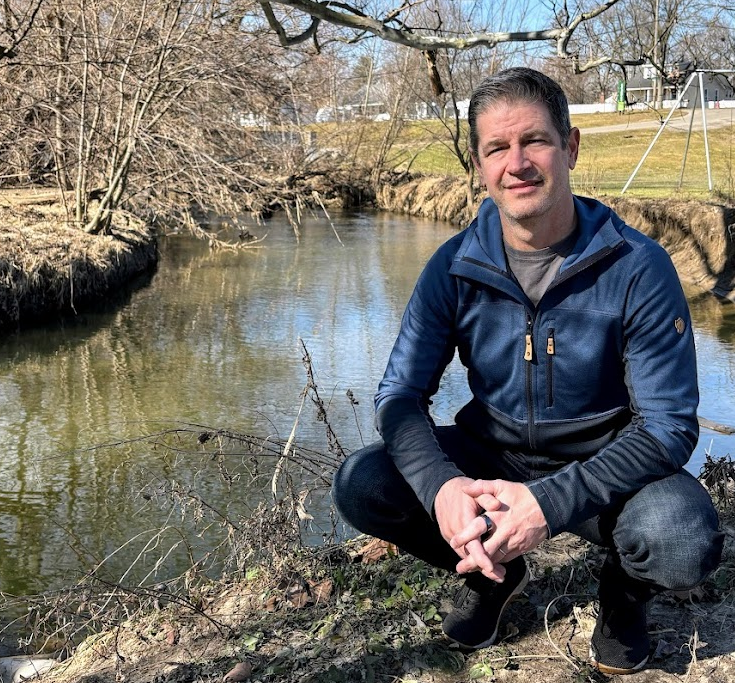
“You can explore different habitat types,” says Director Jacob Napieralski. “The EIC grounds transition from manicured areas to emerging and mature forests near the Rouge River. This overlapping mix of ecosystems serves as a living classroom, allowing everyone from toddlers to university students to witness the journey from active farmland back to its wild, natural state”
That range of habitats gives visitors a chance to see ecological systems in action. For students, especially, the landscape becomes more than a backdrop; it becomes a way of understanding how ecosystems evolve over time.
The Center itself grew out of earlier efforts to bring environmental education into the community. In the 1970s, faculty and students led guided programs for local schools and families, laying the groundwork for what would eventually become the EIC. When the building opened in 2001, it formalized that work and expanded its reach. Since then, more than 230,000 schoolchildren and community members have taken part in programs, events, and informal visits.
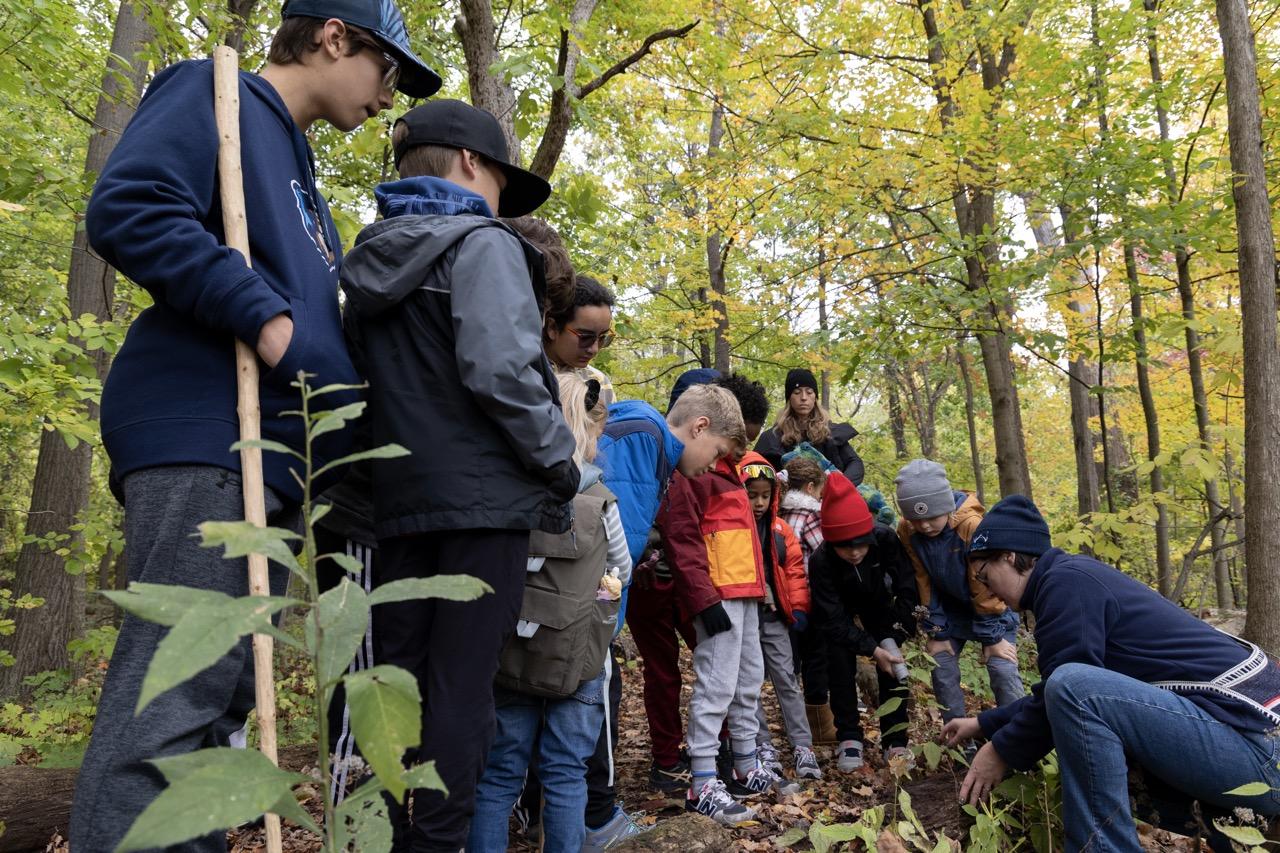
Today, the Center continues that work through K-12 field trips, public programs, and community partnerships. It’s also working to strengthen connections with university students and faculty, encouraging ongoing engagement and return visits.
“There is something remarkable about sparking a passion for sustainability and watching that interest evolve," says Napieralski. "We see students move from our youth programs to university studies and eventually into environmental careers—a powerful progression that highlights the long-term impact of our environmental education.”
That sense of continuity is part of what defines the EIC. Volunteers who have worked on the land for years share space with first-time visitors. Students use the grounds as a living laboratory, while community members build connections through gardening, stewardship, and observation.
Even in a highly developed region, the Center stands out as a pocket of ecological complexity.
"What makes me proudest is seeing this center serve as an ecological lighthouse," says Napieralski, "providing a vital beacon of nature access and learning amidst the heavy development of Southeast Michigan."
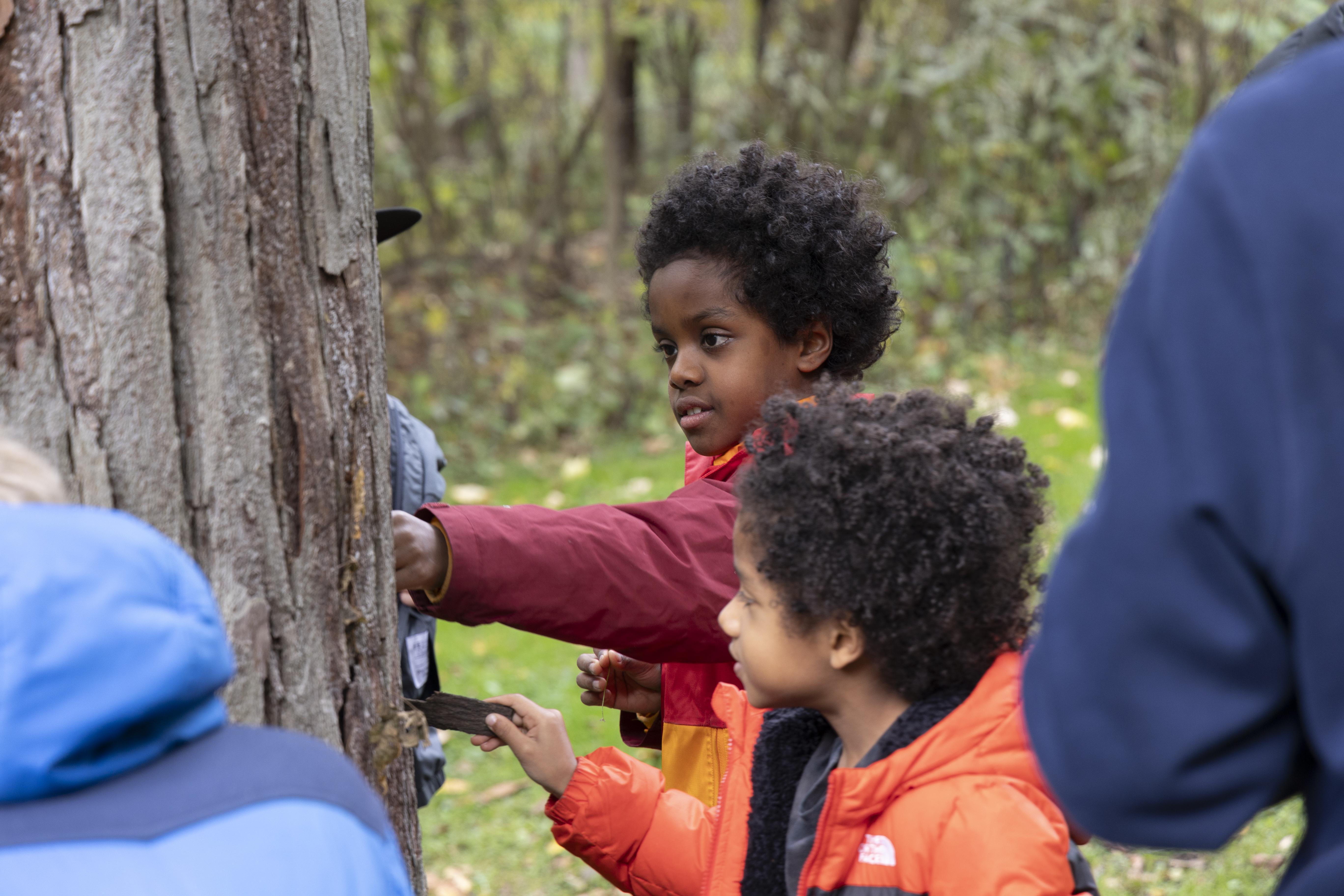
That presence is intentional. Sustainability at the EIC isn’t confined to a single program or feature. It's part of how the space functions, from the building’s design to the surrounding gardens and habitats. But just as important is how that work is shared.
"It serves as a tangible proof of concept," he says. "When people see these practices in action, the ideas truly resonate, making them much more likely to replicate them in their own lives."
Looking ahead, Napieralski sees the EIC continuing to expand its reach while staying responsive to emerging challenges.
“Our goal is to amplify our impact across Southeast Michigan, ensuring we evolve alongside the public's needs as we continue to scale our work and address emerging environmental issues,” he explains.
Those needs are already shifting, from increased concern about flooding to the arrival of new invasive species. The role of the EIC, he suggests, is to remain both a resource and a guide, helping people understand what’s happening around them and how to respond.
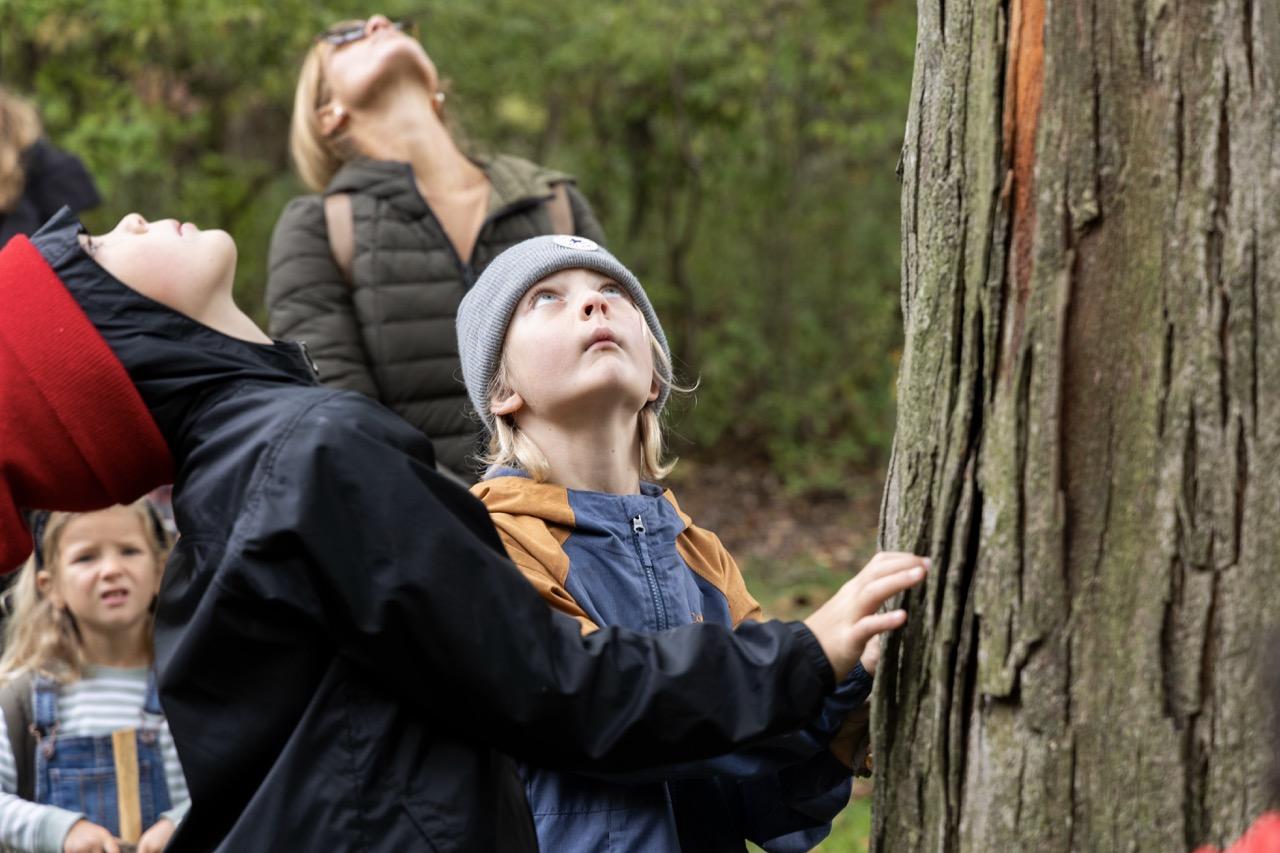
At its core, though, the Center’s mission is grounded in something simpler: helping people notice and connect with the natural world.
"Our core message is simple: get outside and truly observe your surroundings—look up, look down, and look all around," says Napieralski. "By engaging all your senses, you build a deeper connection to the environment. Ultimately, that appreciation is what inspires people to become its protectors."