The first warm days of spring tend to bring the same impulse: get outside and clean things up. Cut back the old growth, rake out the beds, make everything look fresh again. After a long winter, it feels good to reset. But much of the garden isn’t ready for that yet.
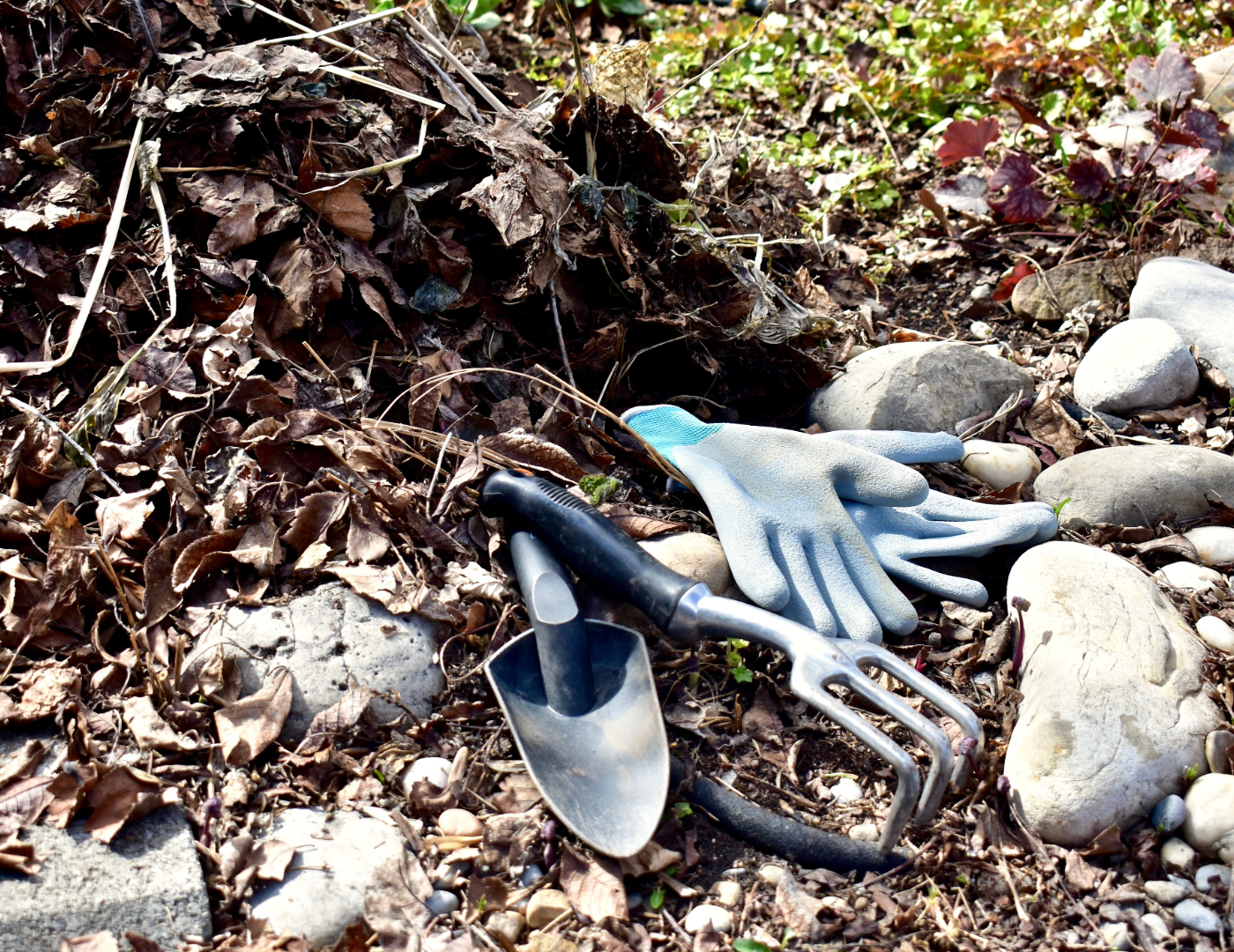
A lot of what looks dormant or spent is still in use. Native bees may be developing inside last year’s hollow stems. Butterflies and other insects are often tucked into leaf litter, using it for insulation as temperatures slowly rise. Even the soil is active, holding insects that haven’t emerged yet.
Clearing everything too early can remove or damage that habitat before these species have had a chance to complete their life cycles.
Instead of moving in at the first stretch of warm weather, we recommend gardeners wait for more consistent conditions when daytime temperatures are regularly in the 50s and plants are clearly starting to grow again. In Michigan, mid- to late April is the earliest point to begin considering any cleanup, and even that can be on the early side depending on the season. Some native bees don’t emerge until late May, so the longer you can tolerate a slightly “messy” garden, the more supportive it is.
If waiting on the entire garden feels like too much, consider taking a phased approach. Rather than clearing everything at once, leave some portions of your garden undisturbed and return to them later in the season. Rotating what you clean up and what you leave standing a little longer can reduce the impact while still giving you a sense of progress.
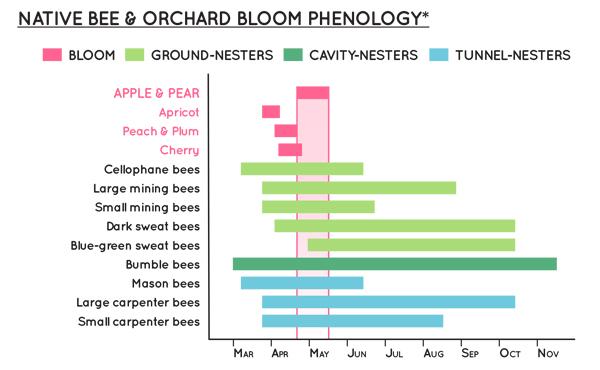
Another way to think about timing is to look beyond your garden beds. Seasonal cues from trees can offer a helpful guide, and this is where the idea of phenology comes in - the practice of observing how natural events unfold in relation to weather and temperature. In other words, it’s paying attention to the sequence of what blooms or emerges, and when.
Cherries and plums tend to bloom right as the first bees begin to emerge. Apples and pears follow a bit later, alongside a second wave. The exact timing shifts from year to year, but the sequence stays the same. Holding off until those later trees have finished blooming helps avoid disrupting pollinators that are still on their way out.
Giving it a few extra weeks supports pollinators at a critical moment. It also leaves room to notice the season as it unfolds - new growth pushing through, insects beginning to move, the garden changing day by day. Spring doesn’t need much help getting started. Sometimes the best thing to do is give it a little more time.