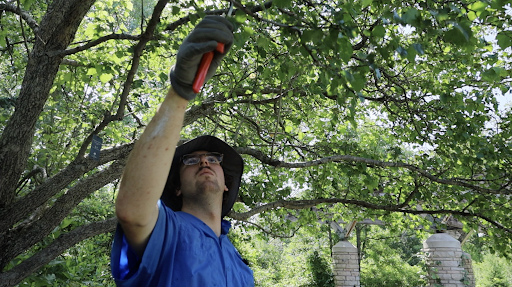
It’s the middle of summer, and if you’re not sure what’s next for your yard, it may be time to think about summer pruning! Summer pruning can improve the look of the woody shrubs and trees in your yard. While many species are best pruned in late spring or fall, some species benefit from summer pruning.
Plants to Prune in Summer:
- Many shade trees can be pruned year-round, such as maples, honey locust , sycamores, and tulip trees .
- Spring-blooming plants like spiraeas, forsythia, and viburnums are best pruned now until mid-July. Avoid pruning these late in the growing season, as you will cut off the flower buds for next year.
- Plants that can be deadheaded
Plants to Avoid Pruning in Summer:
- Oaks and Elms should not be pruned between March and October. Open wounds leave trees vulnerable to oak wilt disease, locally sighted in our area. These diseases can kill some oaks in a matter of weeks.
- For flowering plants that bloom in summer, it is best to wait to prune until late winter – spring.
Pruning Do’s:
- Use sharp tools to make clean cuts.
- Give yourself ample time- you don’t want to rush pruning.
- Make deliberate cuts, looking at the whole branch before you cut.
- Hide your cuts if possible by cutting back to a node.
- Cut dead, diseased, and dying branches (the three “D’s”). Dead branches cannot be resurrected.
- Remove competing branches and lower branches
- Start on one distinct area or plant, like a bed or shade tree.
- Remove competing leaders where trees form a v shape between branches growing upwards
- Faster-growing plants can be pruned more heavily than slow-growing plants
- Remember, trees grow taller from the top, not by lifting their lower branches. If a branch is too low today, it will still be too low years from now unless it is pruned.
- Lastly, remember, plants keep growing! Making small mistakes is okay, as they will cover themselves up with time.
Pruning Don’ts:
- Don’t prune more than 1/3 of a plant. This can stress trees out, leading to other problems.
- Don’t prune living tissue from actively stressed trees, such as during a heatwave or drought.
- Not everything needs to be pruned! Many new shrub cultivars, like dwarf cultivars ,may not always need pruning as they have been bred and grown for superior form, allowing less hassle for you.
- Avoid large cuts on evergreens, pines, spruce, firs, and junipers. These plants will not grow new buds from the trunk once cut, and will not regrow branches from the main stem. Yews, however, will! Because they have adventitious buds, they can create new shoots anywhere along the plant.
- Don’t overdo it; if a pruning job is too big, contact a local isa certified professional
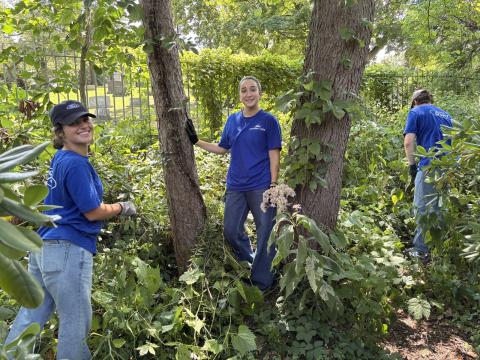
How will pruning improve the look of my yard? Pruning plants that are starting to encroach on walkways can open your space. Being able to walk under and around your plants removes dead space in your yard and makes the landscape feel larger and more accessible. A few simple cuts can dramatically improve the usability and functionality of a space.
How do I fix overcrowding? Pruning shrubs can control size, preventing plants from overcrowding. Control size by reducing height and removing intersecting branches. Consider thinning plants if they are very overcrowded.
Should I wait until the plant gets larger to shape? Shape plants while they are young to avoid having to make larger cuts when they mature.
Where can I find more information on pruning techniques?
Need help figuring out what you have and how to prune it?
Local isa certified professionals
Written by Horticulture Intern Wesley Elder