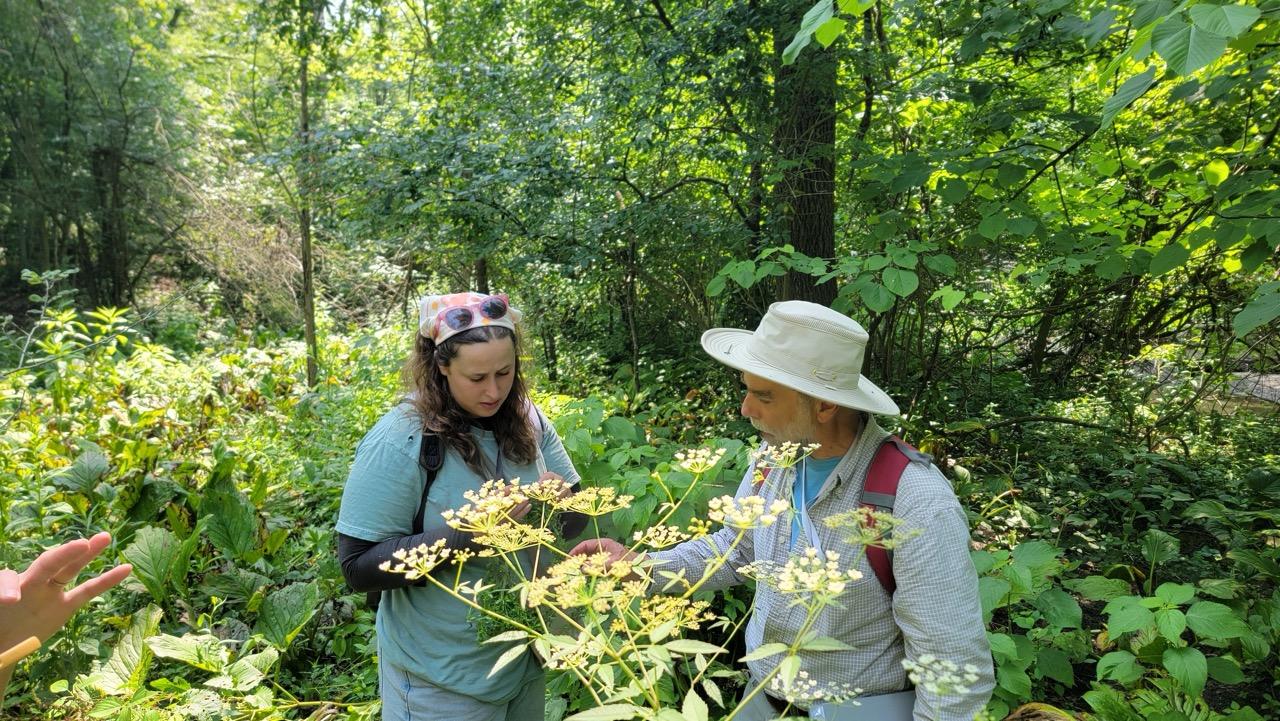
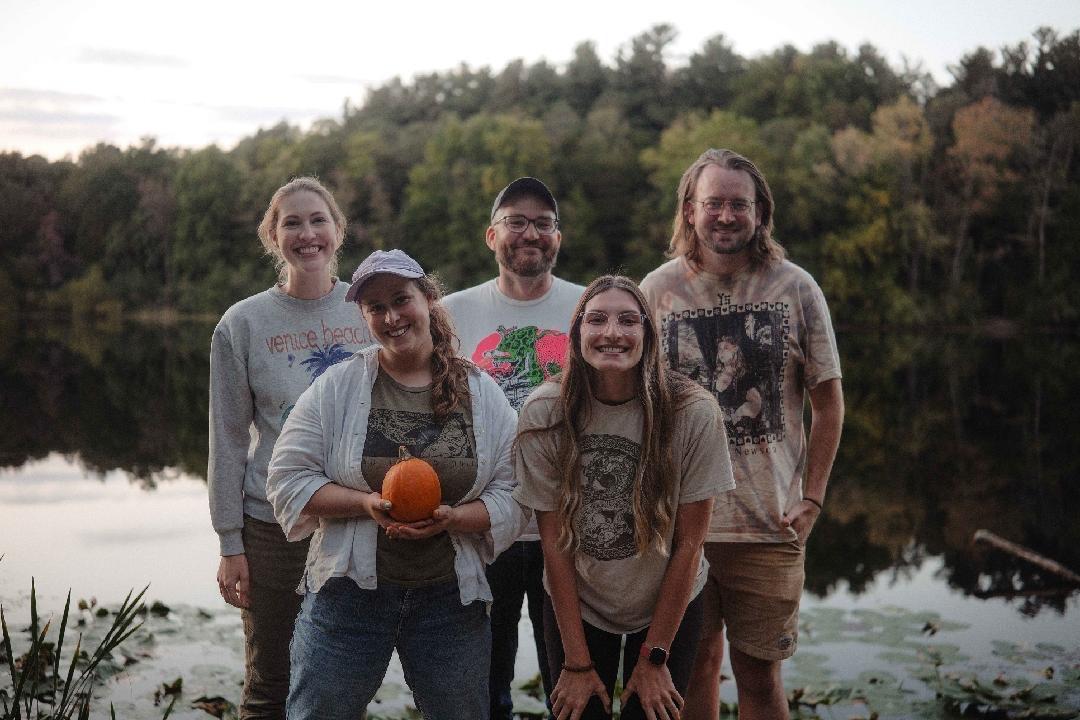
For the past year, a team of master's student researchers at the School for Environment and Sustainability (SEAS) worked to assess the University of Michigan's undeveloped lands for biodiversity and conservation. As a team, Travis Blume, Camryn Brent, Brad Davis, Olivia Freer, and Sara Kinney collaborated to produce a final report for UM’s Office of Campus Sustainability and Innovation and UM’s Facilities and Operations Department. MBGNA’s associate curator, Mike Kost, who has dedicated his career to conserving biodiversity, advised the project. His work at MBGNA has been a model for conservation assessment and has built the capacity for this university-wide land survey. “Mike has really helped shape our project to be a voice for biodiversity and to really talk about incorporating that as a goal for the entire campus, prioritizing sites for conservation and stewardship,” Brad shared.
The University of Michigan is the largest landowner in Ann Arbor, holding over 3200 acres. While north and central campuses span many of these acres, UM holdings also include large swathes of undeveloped land. Some of this land contains largely intact ecosystems, with ecologically important forests, wetlands, streams, and rare native plant and animal species. The team surveyed 27 sites covering 840 acres, and developed a set of 11 metrics to evaluate habitat quality and diversity. “U of M is going to continue to expand. Knowing what's on these sites is really important to get ahead of those future developments, to be able to advocate for the plant and animal life that doesn't have a voice,” Camryn shared.
To start, the team conducted an initial GIS survey of UM lands to determine where to focus their efforts, to see which areas were connected, and to make sense of the landscape. From there, they were able to narrow in on their eleven metrics, which all worked together to inform a score for each land parcel. “For each of those site visits, we collected species data, tree data, viewshed, soundscape, all working to assess how much anthropogenic disturbance was present,” Sara explained. For this set of lands, larger sites tended to score higher due to their ability to support diverse habitats and legacy natural communities. For Mike Kost, this work represents a milestone for how the University understands its own landscape: "This assessment provides the University with something it has not previously had — a transparent, science-based framework for understanding the ecological condition of its natural lands. These findings identify where conservation investments will have the greatest impact and provide the foundation for land management planning that will have lasting ecological benefits."
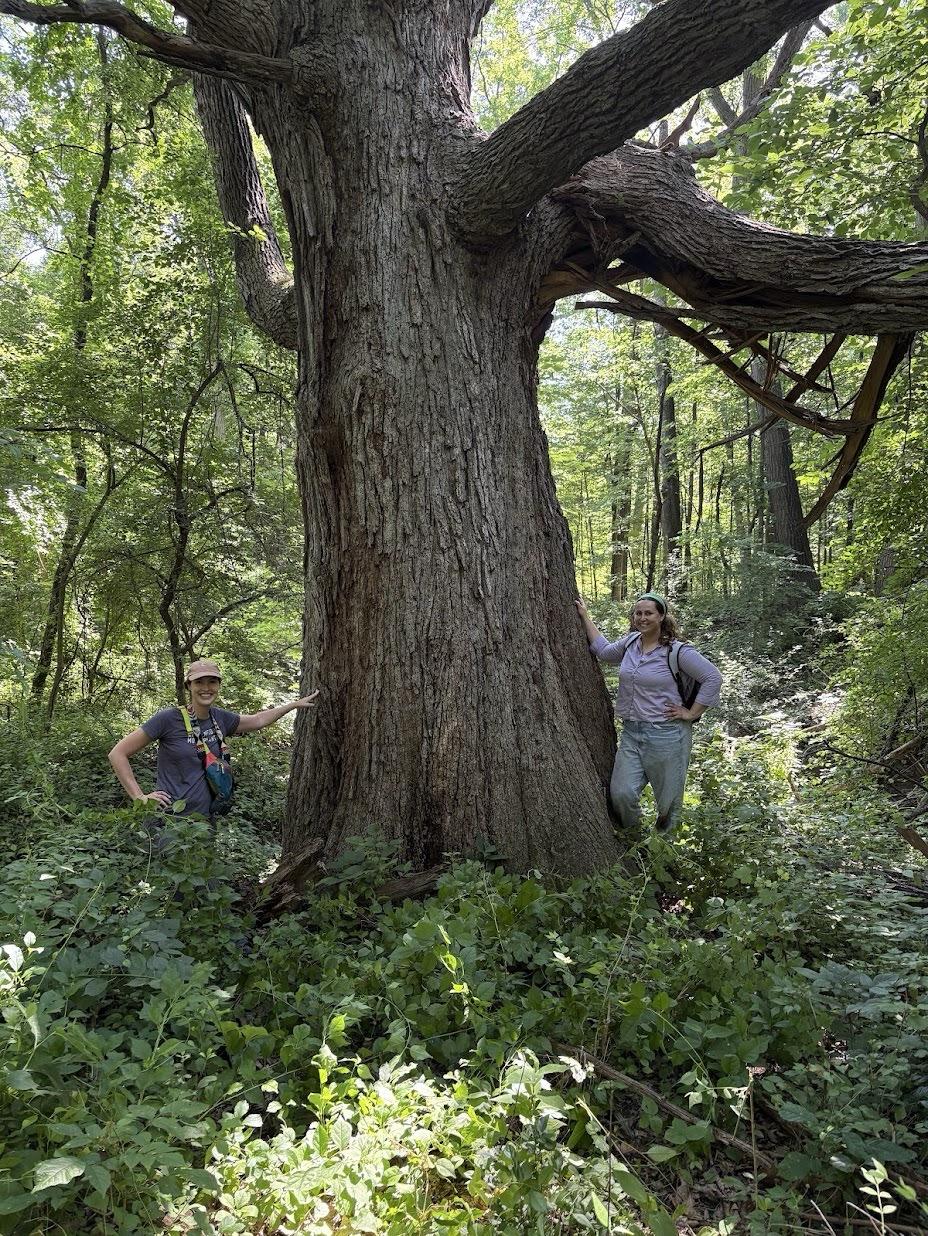
“We made a ranking system.” Travis shared. “And what I really don't want the takeaway to be is that the things that are scoring poorly should be developed. All natural areas have their virtues. It’s not about choosing what to get rid of. It's about fostering or instilling, inspiring a desire to consider yourself part of it all.” This framework will act as an evergreen tool to help the University assess its capacity to sustain biodiversity in the future, and to help inform the University Office of Sustainability’s 2027 biodiversity goals, beyond the limited time frame of the project. There is also room for future research.
“We couldn't do everything in depth,” Sara shared. “You know, a lot of the talk is around ecosystem services, and we did not have the capacity to do that. So things like measuring storm water, how do the natural spaces manage our water? How does the carbon storage compare to other parts of campus where we have planted trees? There's definitely room on that side for more research.”
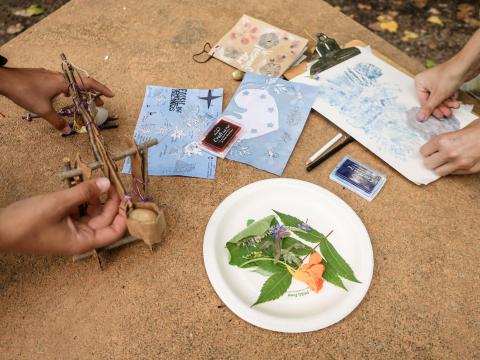
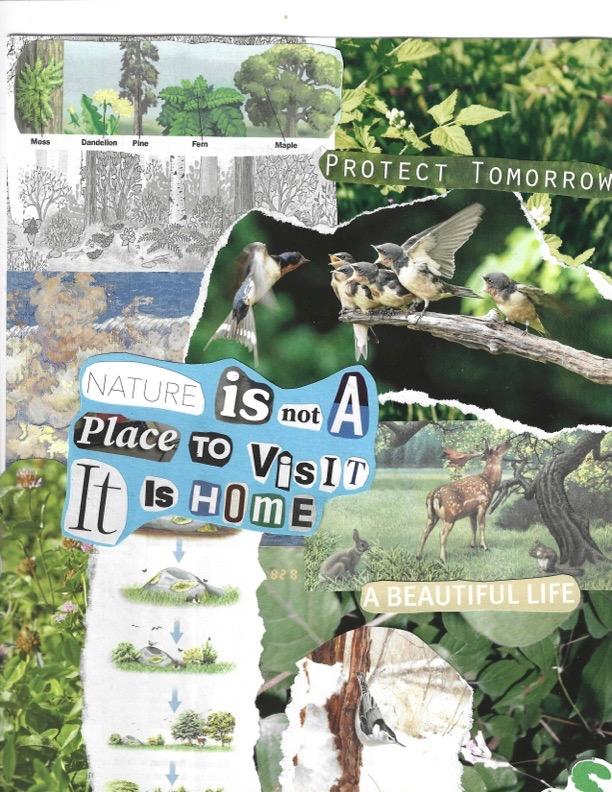
The team also created collages to capture the emotional impact of the sites.
“The aesthetic piece is important too. How do the natural spaces make us feel?” Sara shared, “Is it appealing to be in that area, whether or not, ecologically, it is actually a good space? We wanted to capture that in our data. We did audio recordings after each site visit to discuss how we liked each one, and we didn't come up with a good way to incorporate that data into our official report. So we decided to make collages. And so we each picked one of our favorite sites and did a collage to capture it. How did the site make us feel? What were those emotions that were brought up, or what were our favorite components of those sites?”
The team hopes the impact of this work will extend beyond the property boundaries of these parcels. “Exposing the university community
as a whole to more of these places that seem to be pushed into the background, there's potentially a higher likelihood that there's investment by the university community to maintain these spaces.” Brad shared.
Camryn shared a similar sentiment. “When students come to the University of Michigan, I really imagine them not just experiencing the Diag, but also the actual landscape of Ann Arbor and feeling like they have a sense of place while they're here. And that's one thing I hope comes out of this project, is that people can know the lands that U of M owns, and feel like they're part of it while they're here, and maybe even help steward them and find wonder in them.”