Frost is creeping in, leaves are piling up, and the garden is calling for a cleanup. But November is about more than raking, it’s the month to plant bulbs, divide perennials, and protect what you’ve already grown, so everything comes back stronger in spring.
Lift or Plant Your Bulbs
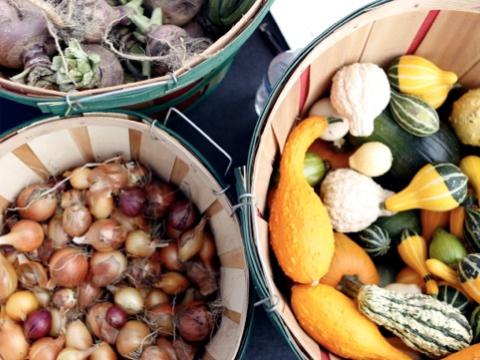
After lifting, set the bulbs in a cool, dry, well-ventilated spot for 5 to 7 days to cure. Once dry, wrap each clump in newspaper, or if your basement tends to run warm and dry, layer them in boxes with pine shavings. Many gardeners also use black plastic bags placed inside cardboard boxes to help maintain consistent humidity. Store the containers in a dark, frost-free location.
On the other hand, hardy spring bulbs such as tulips, daffodils, alliums, and hyacinths can still be planted while the soil is still workable. Plant bulbs about twice as deep as their height (for example, a 2-inch bulb should go 4 inches deep), water, and finish with a light layer of mulch.
Plant Trees and Shrubs
Fall is an excellent time to plant shrubs and trees. Cooler days reduce planting stress, and the soil still holds enough warmth for roots to keep growing well into November. When planting, dig a hole just deep enough for the root ball to sit level with the ground, but two to three times wider. Loosen the surrounding soil to make it easier for new roots to spread and backfill the soil. Water thoroughly after planting, and check moisture regularly until the ground freezes. Top with a 2–3 inch layer of mulch.
Divide and Refresh Hardy Perennials
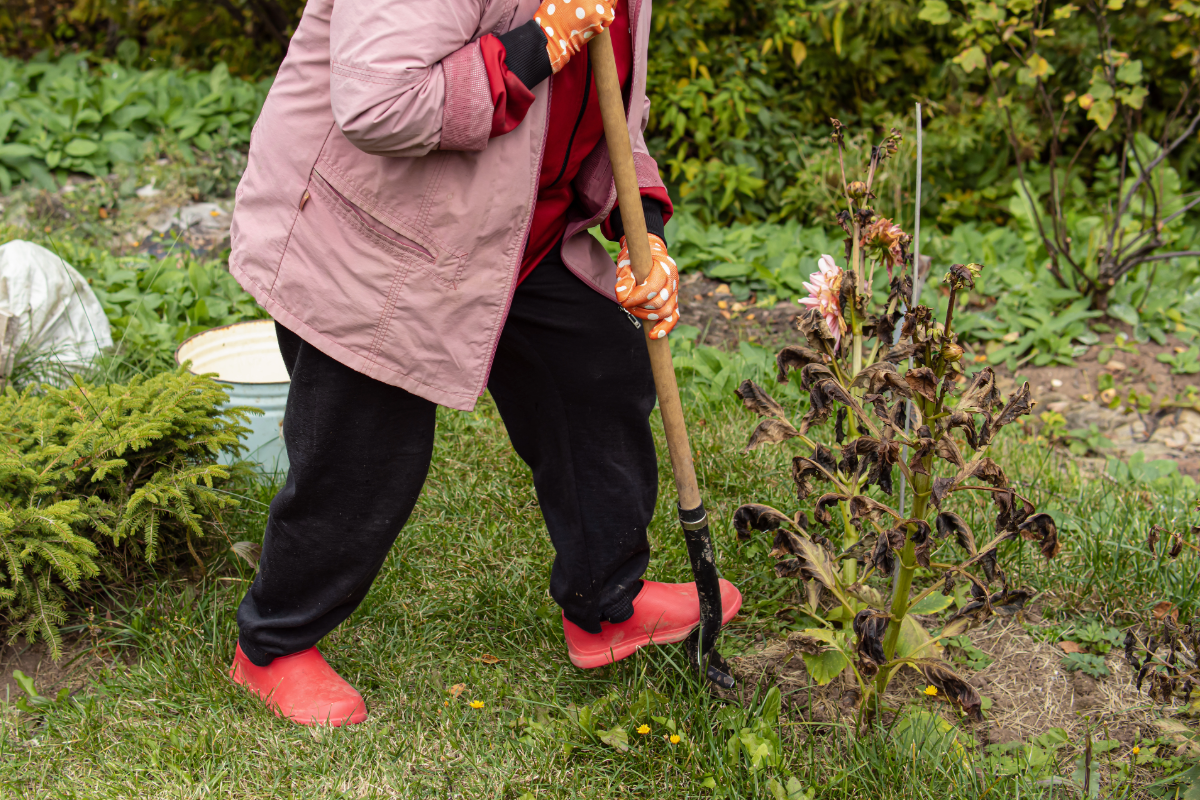
Fall is the prime time to split mature perennials such as daylilies, hostas, and peonies. Once the foliage begins to yellow or die back naturally, dig up the clump carefully, preserving as much of the root system as possible. Use a sharp knife or shovel to separate healthy crowns or root sections and replant them at the same depth in loosened soil. Water deeply to settle them in and finish with a light mulch.
Dividing your plants in the fall helps them settle in without the stress of summer heat or drought. Cooler temperatures allow roots to establish before the ground freezes, leading to more vigorous growth and flowering the following spring.
Mulch Bare Soil
Exposed soil can wash away in winter rains. A 2–3 inch layer of mulch protects soil structure, as well as prevents heaving, a process where shallow-rooted plants and bulbs are pushed out of the soil by repeated freezing and thawing. By stabilizing the soil, mulch keeps roots in place and reduces stress on plants that will emerge in spring.
Protect Plants from Winter Browsers and Wind
As winter progresses, hungry rabbits and deer may nibble on young trees and shrubs. Wire cages can keep them at bay. Some species, like Japanese maples and arborvitae, are also vulnerable to winds and sunscald. Burlap wraps or simple windbreaks provide extra protection.
Leaves and Stems: One Thing You Can Leave Alone
November is full of garden chores, but some natural “mess” is worth keeping! Leaves and dried stems provide shelter and food right where they fall. Leaves form a natural winter blanket, providing a mini-wildlife refuge. As they slowly break down, they enrich the soil, improving structure and adding nutrients for spring growth.
Perennial stems left over winter provide critical habitat. Hollow stems shelter some types of bees and other insects throughout the winter. Birds, including finches and sparrows, rely on leftover seeds in seed heads when other food sources are scarce.
If tidying is unavoidable, consider leaving leaves in garden beds instead of bagging them, and cut back stems only partially - 18 to 24 inches is plenty for wildlife habitat while keeping the garden looking orderly.