لقراءة هذه القصة بالعربية، اضغط هنا
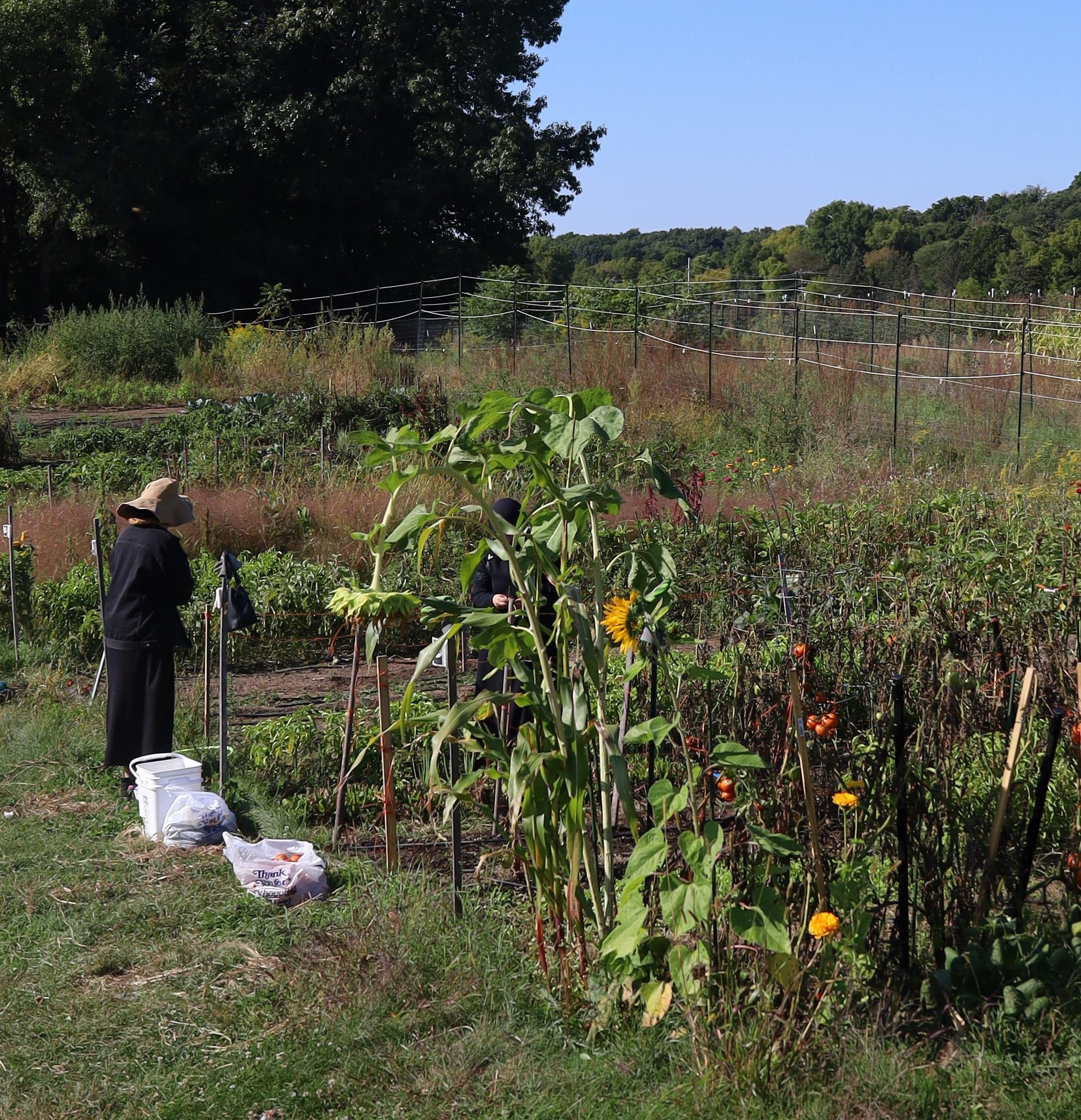
For a little over three years, a quiet half-acre plot nestled at Campus Farm has provided place and opportunity for refugee growers. A partnership between Jewish Family Services (JFS) of Washtenaw County and MBGNA, the Refugee Garden serves community members who have been in the US for fewer than five years. The program also provides seeds, community resource navigation, youth programming, and wellness and nutrition education classes through its partnership with MSU Extension.
A corner of the garden is reserved for young growers, who learn to care for the soil and plants through youth programming. Currently, 20 families grow in the garden plots, some new and some returning. Most speak Arabic or Spanish, and tend plots near their friends; the plot is more than just land, but a third place where families can find connection and respite.
The idea for the Refugee Garden was first conceived by Phimmasone Kym Owens, a University of Michigan SEAS student. She approached JFS for support in 2021, and they were eager to be on board. The need for land to secure grants led to the birth of the partnership with MBGNA. The vibrant garden now sits on what was once unused land — bare grass transformed into abundance.
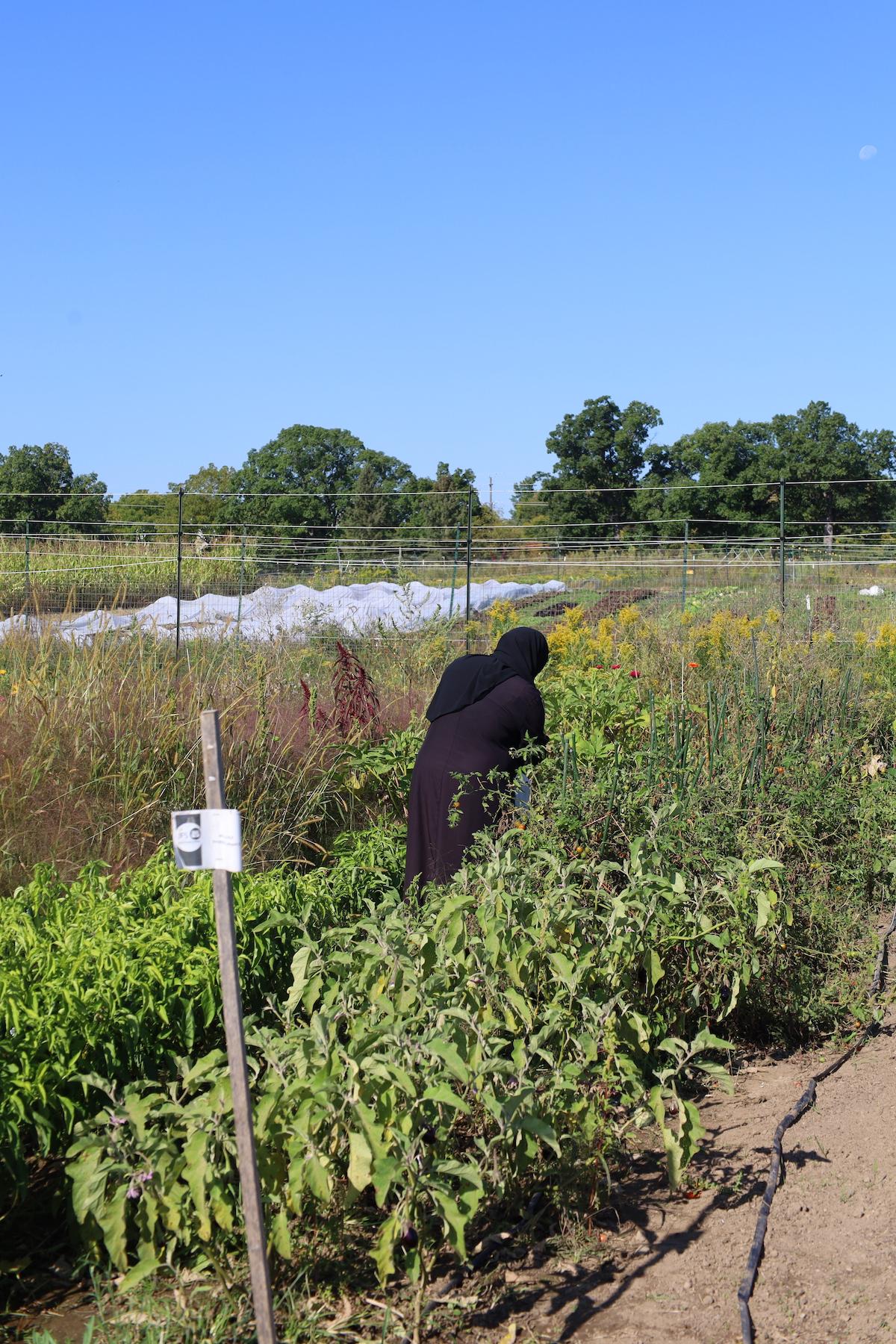
On a recent Thursday in September, two growers, Ghufran and Noha, were harvesting in their plots at the crescendo of tomato season, both recent transplants to the United States from Syria. The Refugee Garden Coordinator was kind to translate as they shared about how the garden has made an impact on their time in the US.
This season is Ghufran’s first at the plot, and her first here in the United States. She grows an abundance of tomatoes, okra, and eggplants, and a patch of bright yellow zinnias. “The crops remind me of home,” she shares. Many of the plants are the same ones she grew in her garden back home. On FaceTime, she talks to her father, still in Aleppo, and he gives her gardening tips from across the ocean.
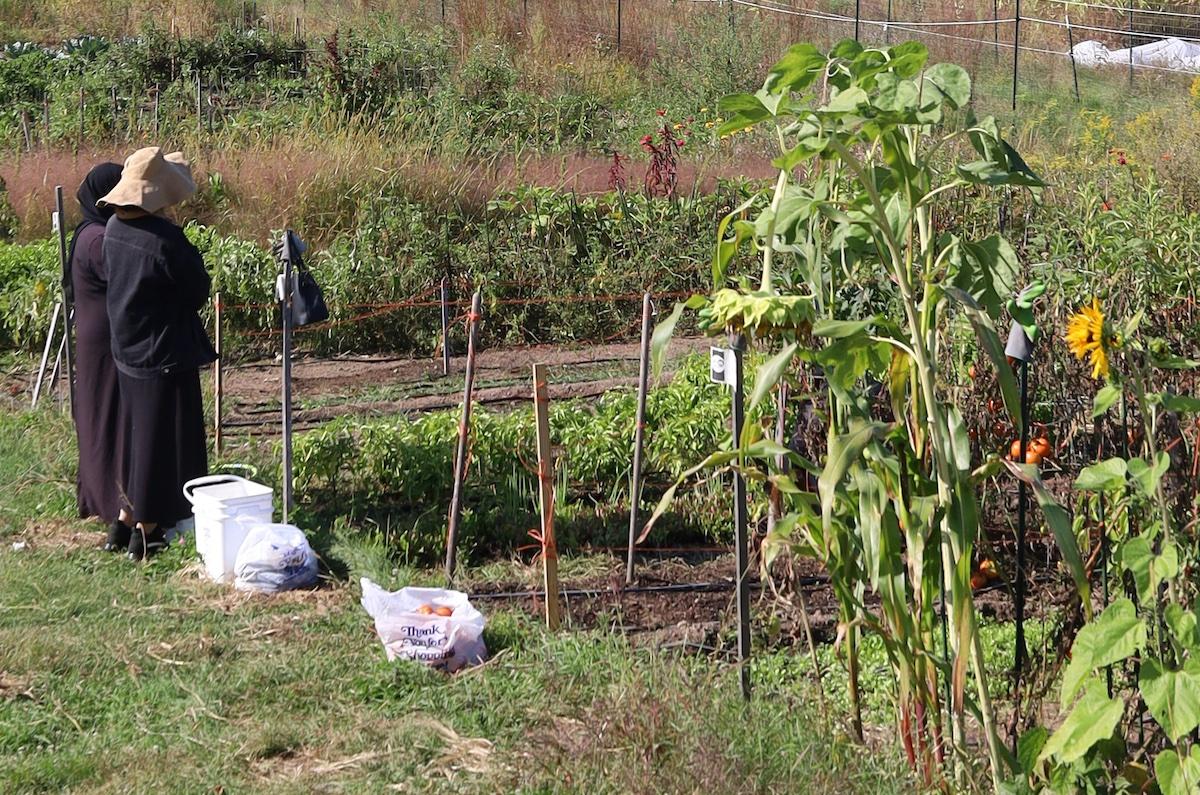
Like Ghufran, all of the plants growing in Noha’s plot are vegetables she has grown before in her garden at home, most recently in Jordan. Her garden is full of tomatoes that she uses for salad, pizza sauce, and for many cuisines from her home country. She appreciates both the fresh food and the connection to nature that the garden provides. “It is better to go out and enjoy nature rather than stay at home. So it's an opportunity to go out and break the routine, and get fresh and healthy crops for my family.” Both growers expressed a deep gratitude for the garden and JFS, and both hope to return to their plots next season.
Suzie Ali served as the Youth Coordinator for the Refugee Garden this summer. On Tuesdays, she facilitated time in the garden for a group of 3-11-year-olds. “Half of my students were Spanish speaking, half of them were Arabic speaking, and they were from all different parts of the world.” Suzie used a bit of both languages to communicate, but also let the children and the garden speak for themselves. The children helped choose the plants, make the beds, plant the crops, and tend to the garden. Towards the end of the summer, Suzie helped them make recipes with the plants they helped grow. They learned about pollination and fertilization, as well as the names of plants in English, Spanish, and Arabic. “It was really cool to see how kids communicate across a language barrier. They obviously didn't all speak Spanish and Arabic. But in the garden, there are a lot of things that you don't have to say. Being outside speaks for itself. It was just really beautiful to see.”
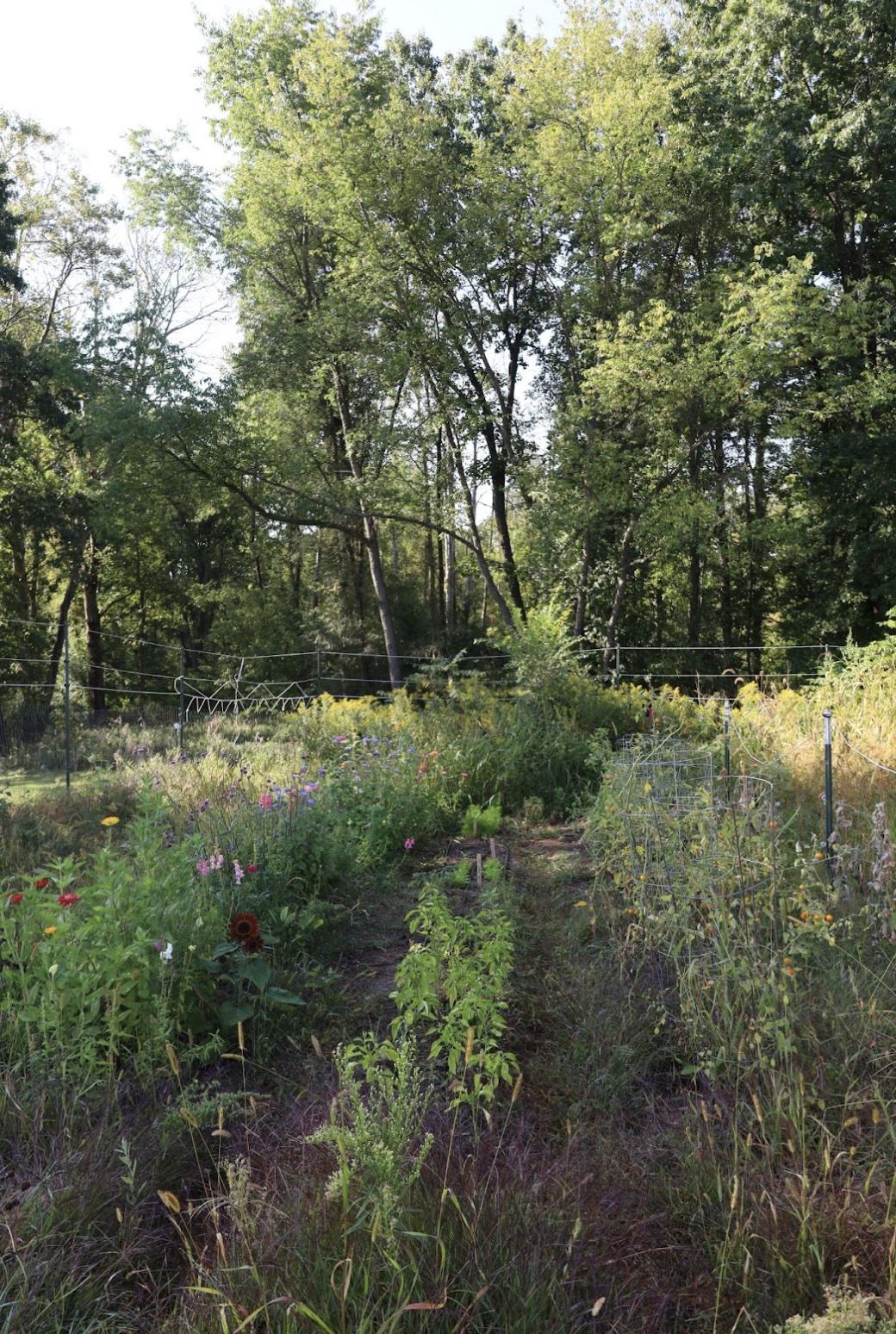
While funding through the U.S. Department of Health and Human Services is no longer available, MBGNA and JFS are committed to ensuring the garden continues, including transportation and translation to provide access and a meaningful experience across generations. This dedication is a testament to the transformational role this small but mighty garden plays in our growing community. For new community members seeking a place and purpose in a new country, the Refugee Garden offers a direct connection to land, people, and community.