
Celebrate Water Week
Water connects us all. It flows through creeks, wetlands, and ponds, supports plants and wildlife, and links us to the larger Great Lakes region. Water Week is a celebration of those connections. Join us as we explore the water around us, the life it supports, and the many ways we can care for freshwater.
Why Water Week?
Living in the Great Lakes region means living in a landscape shaped by water. While the Great Lakes may be the region’s most visible freshwater feature, their health is connected to a much larger network of rivers, streams, creeks, ponds, wetlands and groundwater.
At Matthaei Botanical Gardens, water is part of the landscape all around us. Water Week is an opportunity to look more closely at these systems and explore how water connects ecosystems, communities and the wider Great Lakes region.
Through activities, programs and opportunities to explore, we’ll celebrate the life, science and stories connected to water and discover why caring for water matters wherever we are.
Join Us for Water Week
We’re celebrating Water Week in person and online from August 23–29, 2026. Explore the many ways water shapes the world around us through guided programs, hands-on activities and self-guided adventures. From the smallest pond and creek to the Great Lakes themselves, discover the freshwater connections flowing all around us. Check back soon for a list of programs throughout the week!
August 23rd
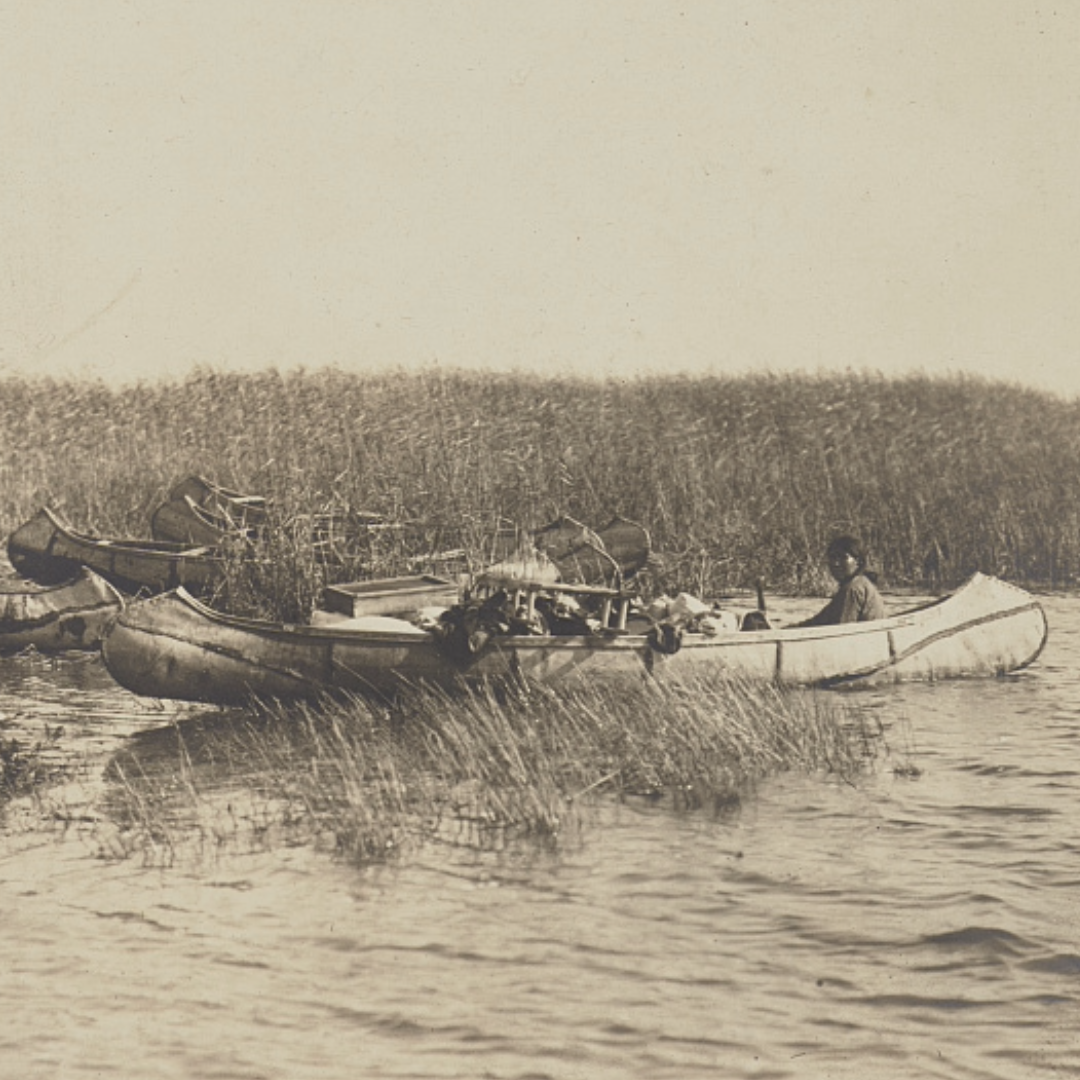
The First Story of Water - The Anishnaabek Story: This talk will look at the deep and multi-layered story of the Anishnaabek and their relation to the Gitchi-Gumek (Great Lakes). This journey goes through thousands of years, through conflict, ceremony and commitment to being home. Eric Hemenway, Humanities Manager at U-M's School of Environment and Sustainability, leads the learning of how water defines the Anishnaabek and has impacted every major decision for the numerous communities in Michigan. The program begins at 1:00 PM in the Straw Bale House at the Campus Farm area of Matthaei Botanical Gardens.
August 24th
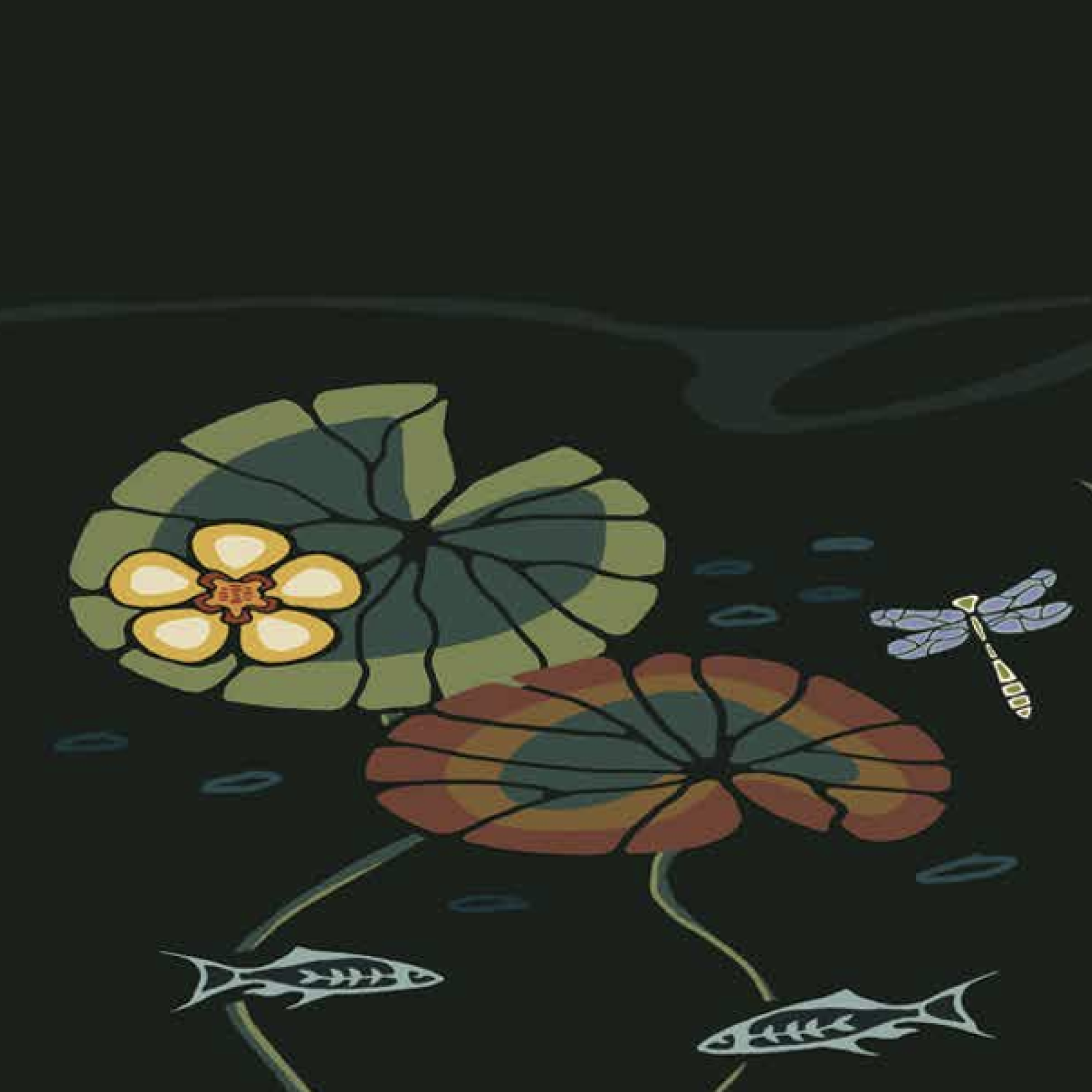
Stories of Miinomin at Willow Pond: In August 2026, a series of new signs were installed around Willow Pond at Matthaei Botanical Gardens to share the story of Miinomin (Wild Rice) and the Anishnaabek connections to the lands and waters of Michigan. Created through a collaboration among numerous departments, partners, and individuals, the project brought together a wide range of perspectives and expertise. Join Eric Hemenway, Humanities Manager at U-M's School of Environment and Sustainability, and Katie Seguin, MBGNA Interpretation Specialist, as they discuss how the signs came to life. Program starts at 5:00 PM.
August 25th and 26th
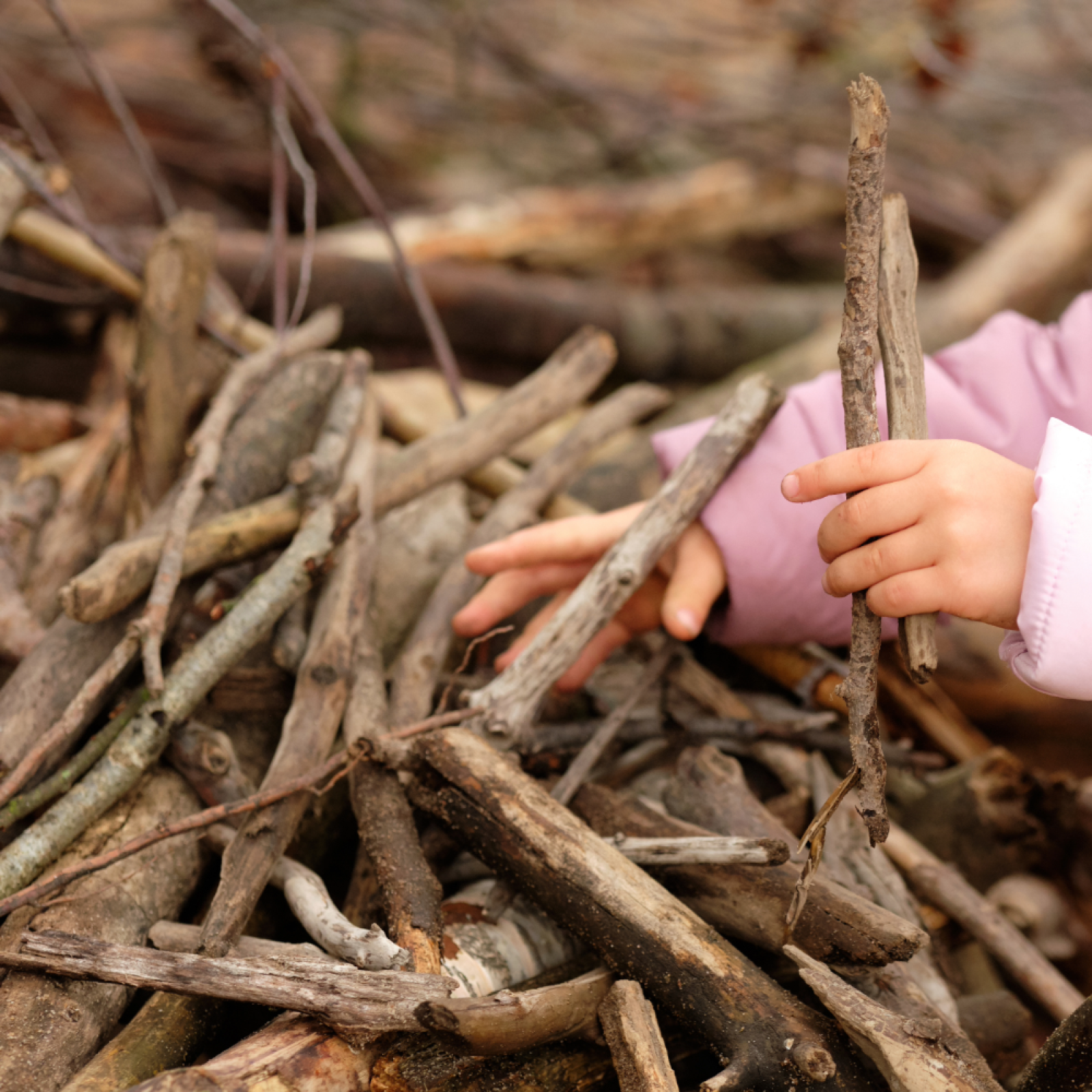
Nature Play Pop-up: Play and build like a beaver at Gaffield Children’s Garden as we experiment with beaver building concepts and make simple, small structures from foraged natural and loose parts. In the Gaffield Children's Garden at Matthaei Botanical Gardens on Tuesday, August 25, 10-11:30 AM, and Wednesday, August 26, 5:30-7 PM.
August 25th
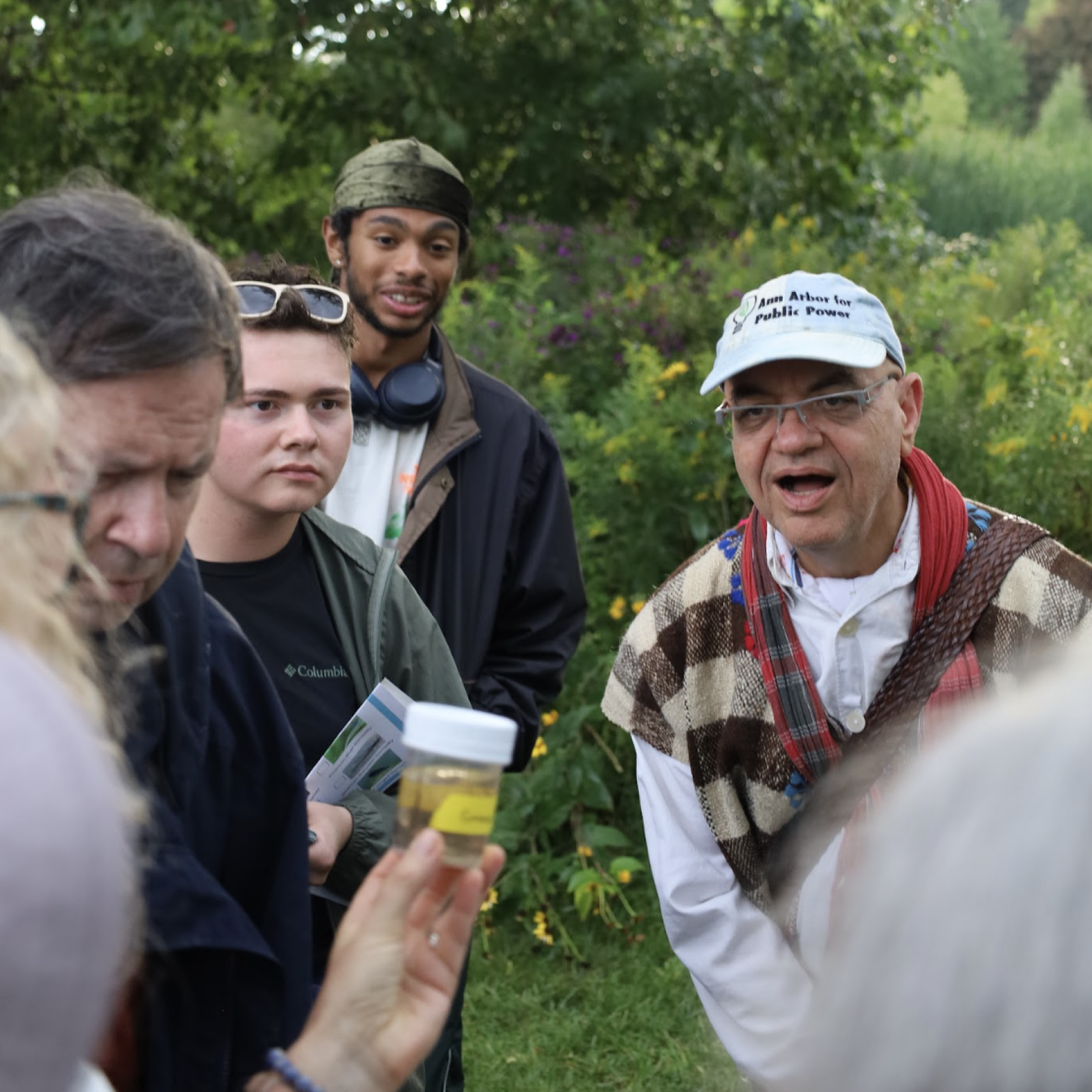
Waterway Relatives: Join Dr. Selena Smith for a conversation on the human and ecological relationships that shape resilient water systems, blending Western and Indigenous knowledge. She’ll also share about the Meet the Mnomen project, which restores wild rice to Willow Pond. The program starts at 4:30 PM and includes hands-on exploration of water sampling trays, aquatic organisms, and the plants and animals of Willow Pond.
August 26th
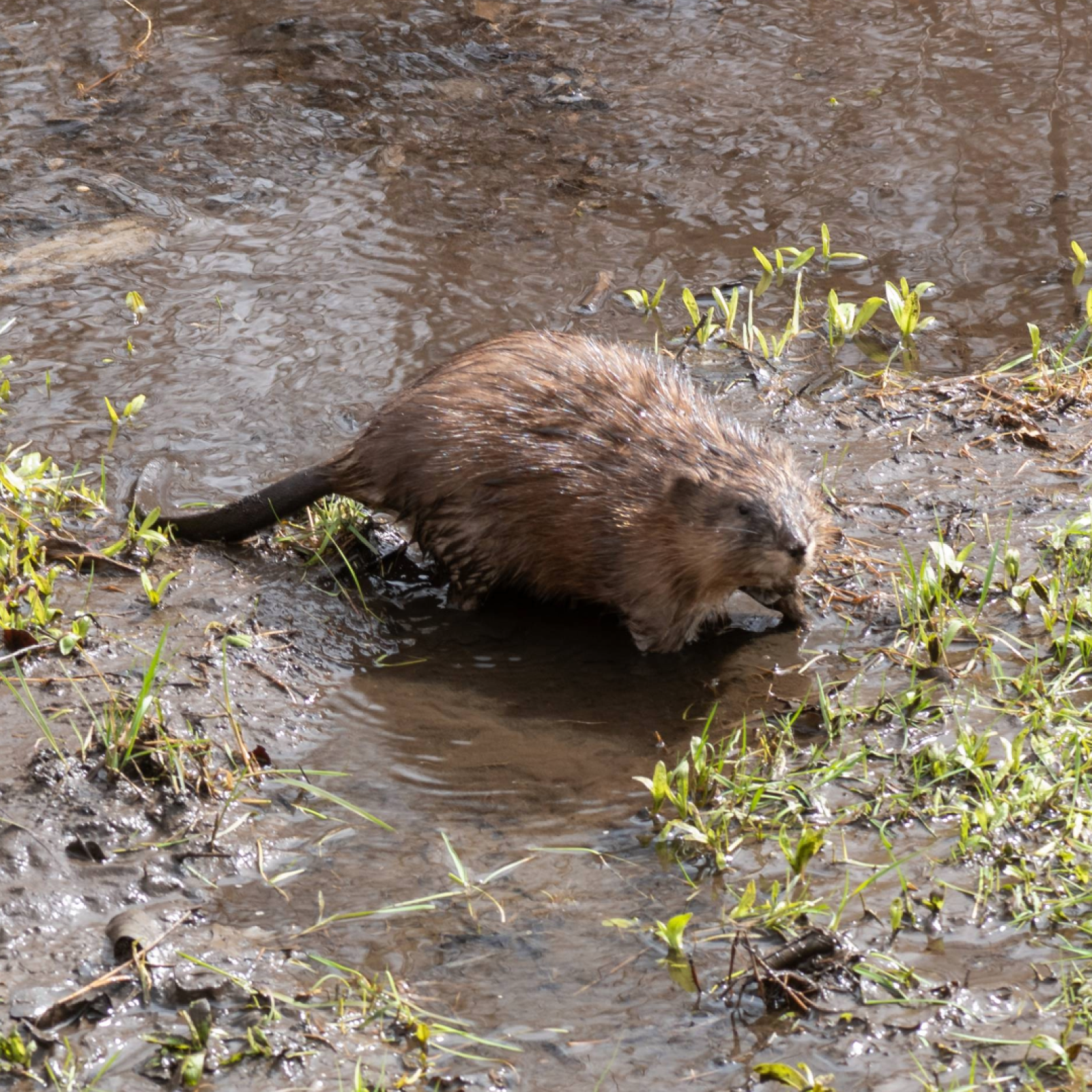
Stewardship and Co-existence with Beaver: Learn about the beaver's role as a keystone species and ecosystem engineer, then look beyond Michigan to see how other states are successfully co-existing with beaver. Following the presentation, join us for a guided walk to visit the Gnawsons' territory and look for signs of beaver activity while observing how their engineering shapes habitat for birds, amphibians, fish, and countless other species that call these waterways home. Program starts at 5:00 PM.
August 27th
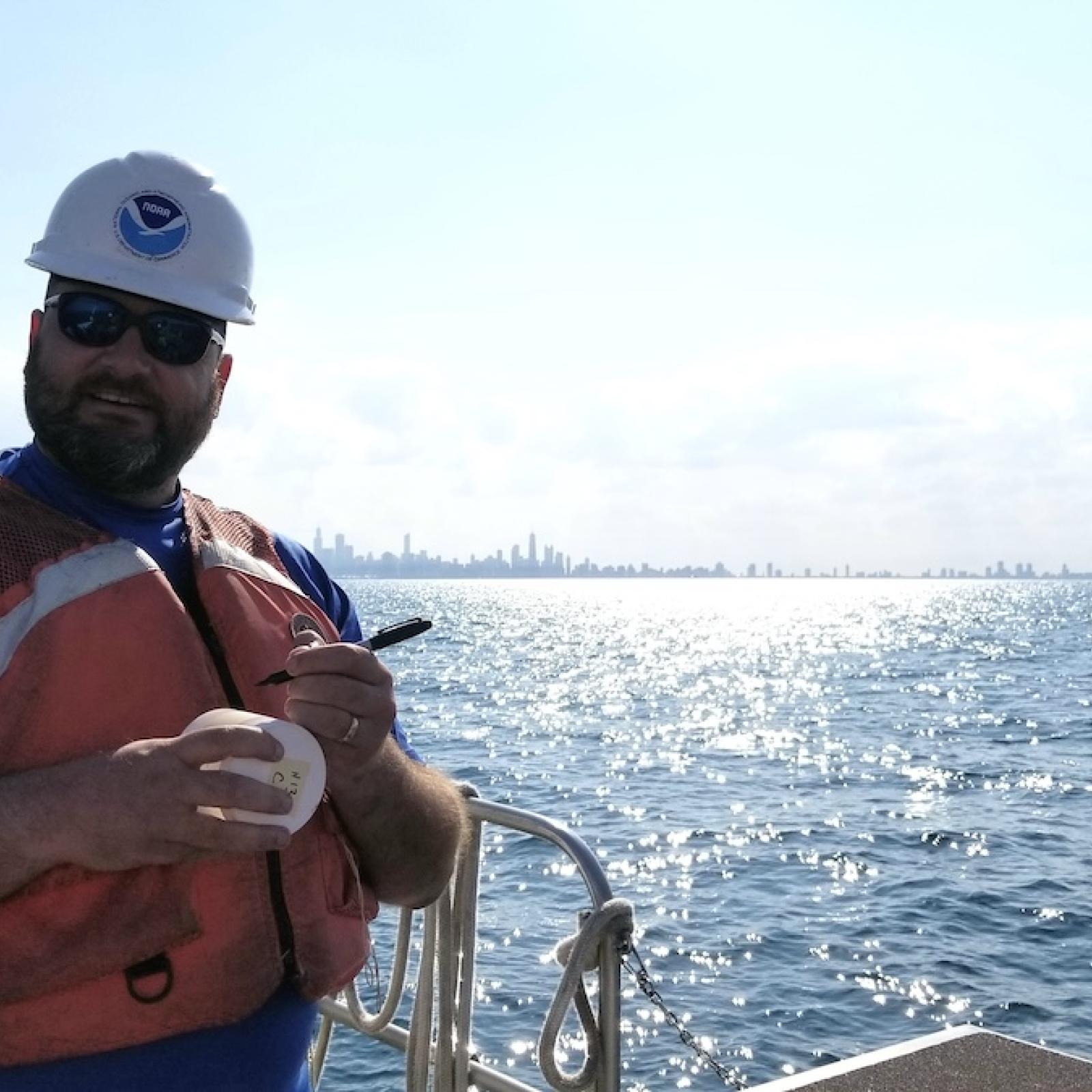
Great Lakes Pop-Up with CIGLR: Stop by anytime on August 27th at Matthaei Botanical Gardens to explore the Great Lakes with the Cooperative Institute for Great Lakes Research (CIGLR)! This informal, drop-in experience is part of our Lake Week celebration and perfect for visitors of all ages curious about what makes the Great Lakes so unique and why they matter.
August 27th
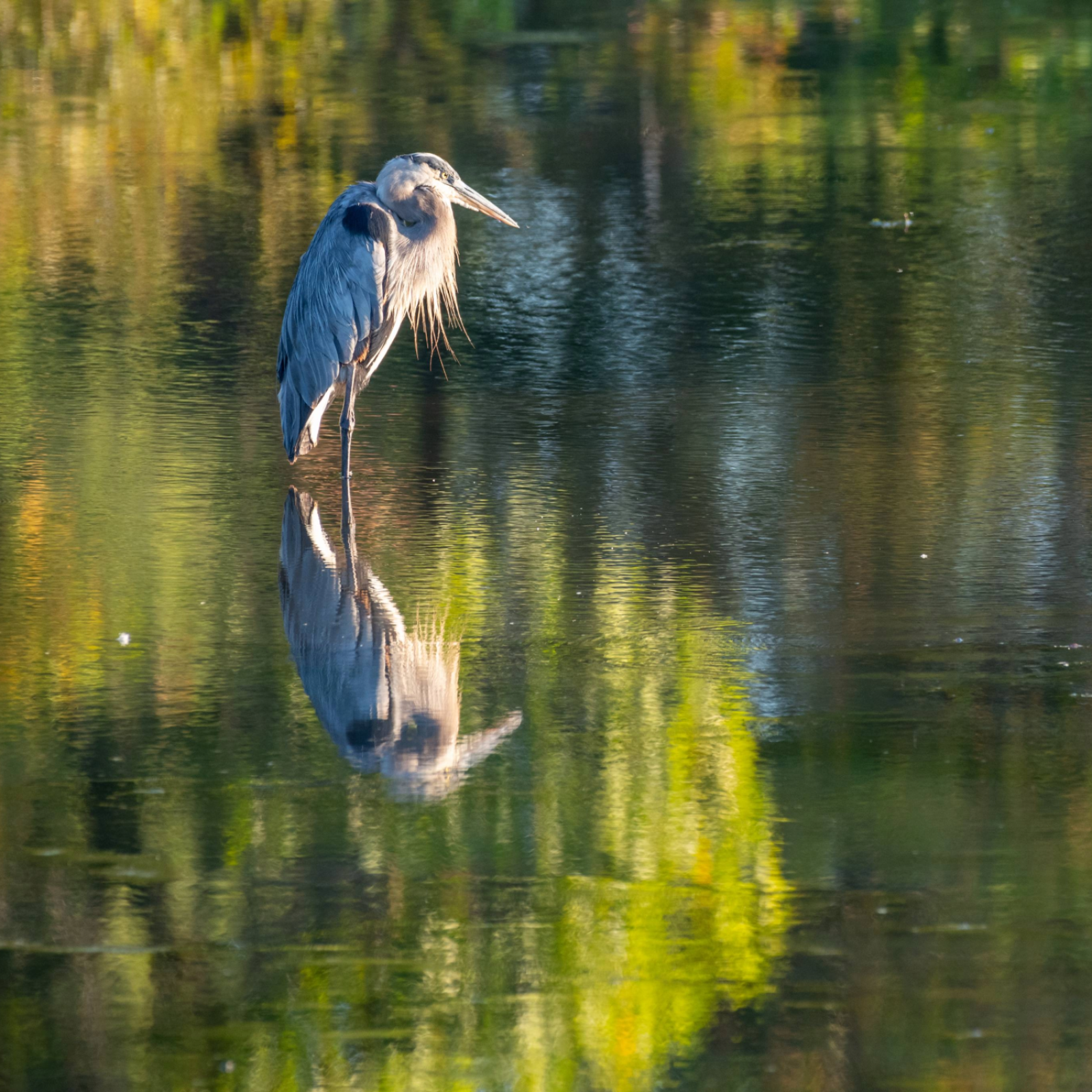
Water Wander - Healthy Waterways: Water is part of our very identity in the Great Lakes and is the essence of life; it's the source of drinking water, food, beauty, sustains our health and wellbeing, and meets our and other living creatures' needs for survival. At MBGNA, water appears and disappears at the surface and underground. Follow the waterways of Matthaei with MBGNA Education lead, Liz Glynn, and explore the life-sustaining value of water in our landscapes. Participate in water sampling to learn about nutrients in water that help tell the story of water health and learn how MBGNA uses native plants to protect our waterways. Program starts at 5:00 PM.
August 28th
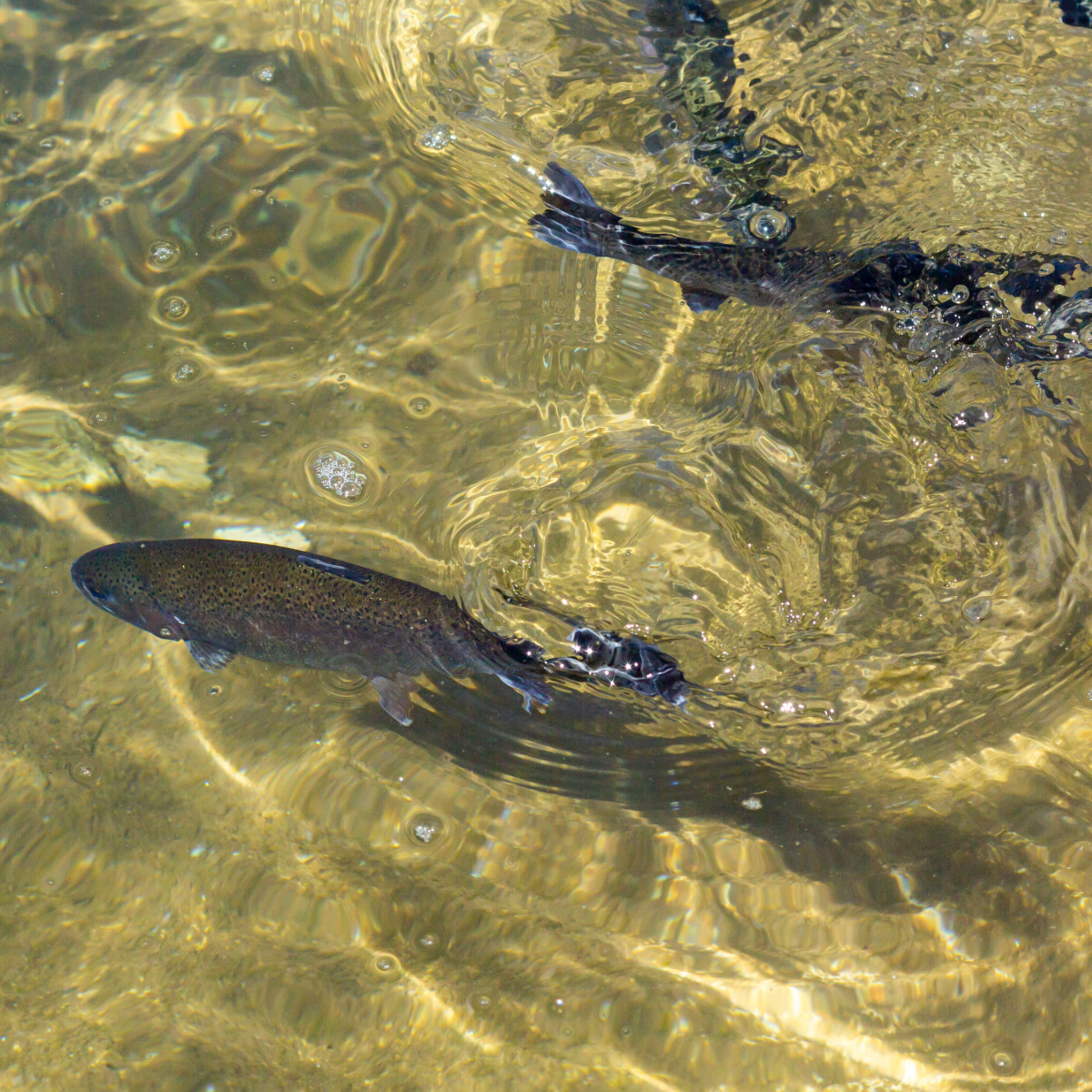
Kids, Fish, and Streams:This is the event for you and the curious young ones in your life! Take a Stream Walk with K-12 Environmental Educator, fish and water enthusiast, fly fishing guide, and river advocate, Marco Kamimura. Join Marco along the Huron River tributary, Fleming Creek, to learn about the fishes, the aquatic macroinvertebrates, and some of the “whys” and “hows” of streams and river ecology/health. He might even share some fishing tips along the way! Program starts at 5:00 PM.
August 29th
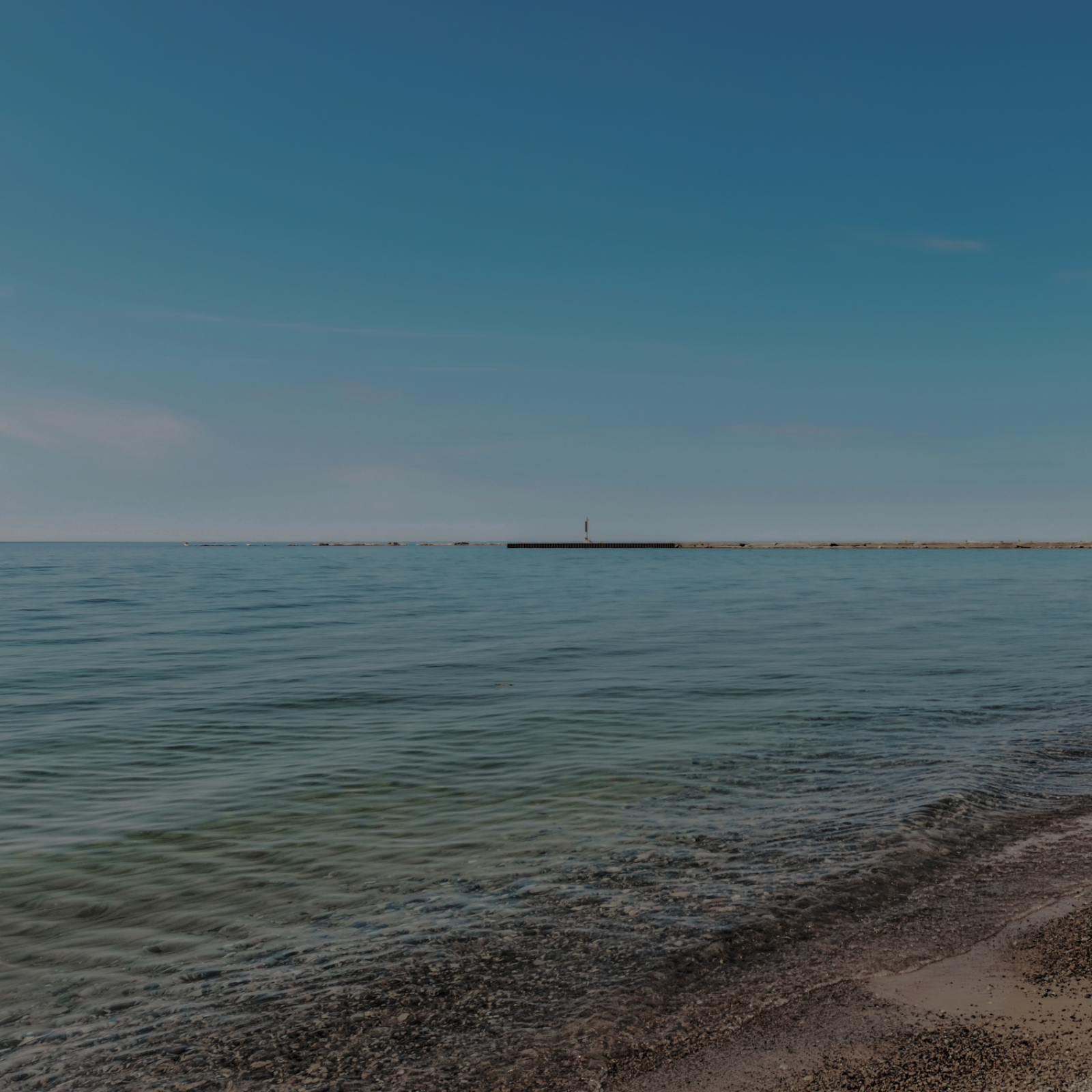
The Line 5 Oil Pipeline Debate - Implications for Water, Indigenous, and States' Rights: The raging debate over the future of Enbridge Energy's Line 5 oil pipeline is about more than the threat it poses to the Great Lakes. University of Michigan's Mike Shriberg, a Professor in the School for Environment & Sustainability and Director of the UM Water Center, will outline the history, current status, and potential future for Line 5, relying on interviews as well as his own direct involvement. As the first U.S. oil pipeline ever ordered to be shut down due to potential damage from a rupture, the resolution of the future of Line 5 has deep implications for our environment, economy and way of life. Program starts at 11:00 AM.
UM Research on Great Lakes and Freshwater Systems
Understanding and protecting the Great Lakes begins with strong science. At U-M’s School for Environment and Sustainability (SEAS), researchers are uncovering how freshwater systems function, adapt, and respond to change. Dive into some of the science that informs better stewardship of these essential ecosystems.
From clean water to coastal towns, 6 ways Great Lakes research impacts you
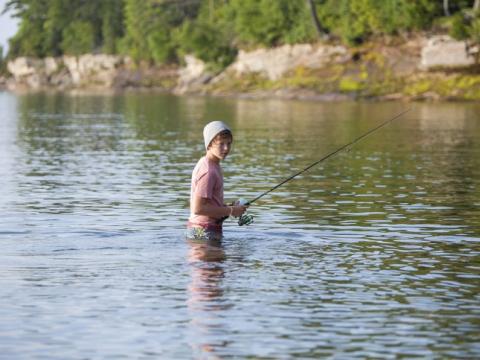
The Great Lakes are a way of life in Michigan—a place for fun, recreation, enjoying nature and creating lasting memories with family and friends. While healthy lakes are critical for the state’s culture and economy, they do require constant care, research and management. Here are six ways this Great Lakes research benefits Michiganders (Read more)
Capstone project helps Michigan define its conservation goals for the Great Lakes
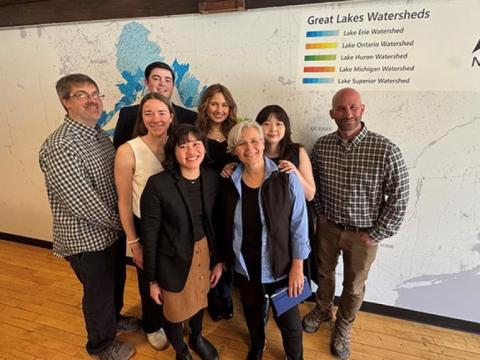
A team of six University of Michigan School for Environment and Sustainability (SEAS) master’s students, along with SEAS Professor of Practice and Engagement Mike Shriberg, have been working with Michigan Sea Grant, the Michigan chapter of The Nature Conservancy and the Michigan Department of Natural Resources (DNR) to help the state of Michigan define and reach its conservation goals for the Great Lakes. (Read more)
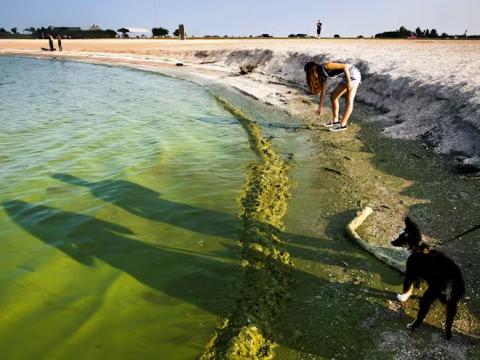
Toxic algae blooms are lasting longer in Lake Erie − why that’s a worry for people and pets
Harmful algal blooms are dense patches of excessive algae growth that can occur in any type of water body, including ponds, reservoirs, rivers, lakes and oceans. When you see them in freshwater, you’re typically seeing cyanobacteria, also known as blue-green algae.
Algae are natural components of ecosystems, but they cause trouble when they proliferate to high densities, creating what we call blooms. (Read more)
Photos

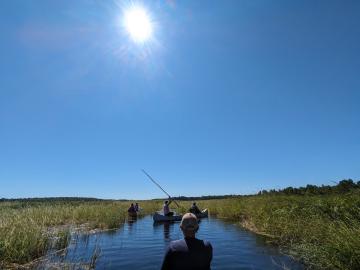
Photo: Vincent Salgado