Student-Driven Sustainability at the Campus Farm
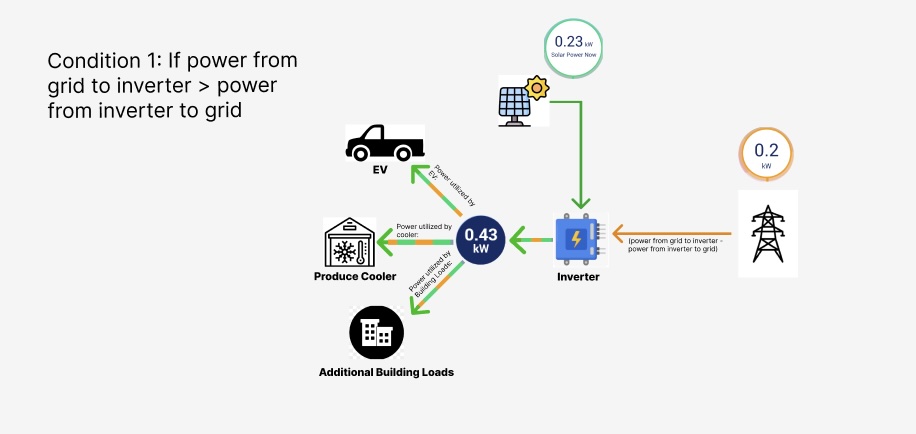
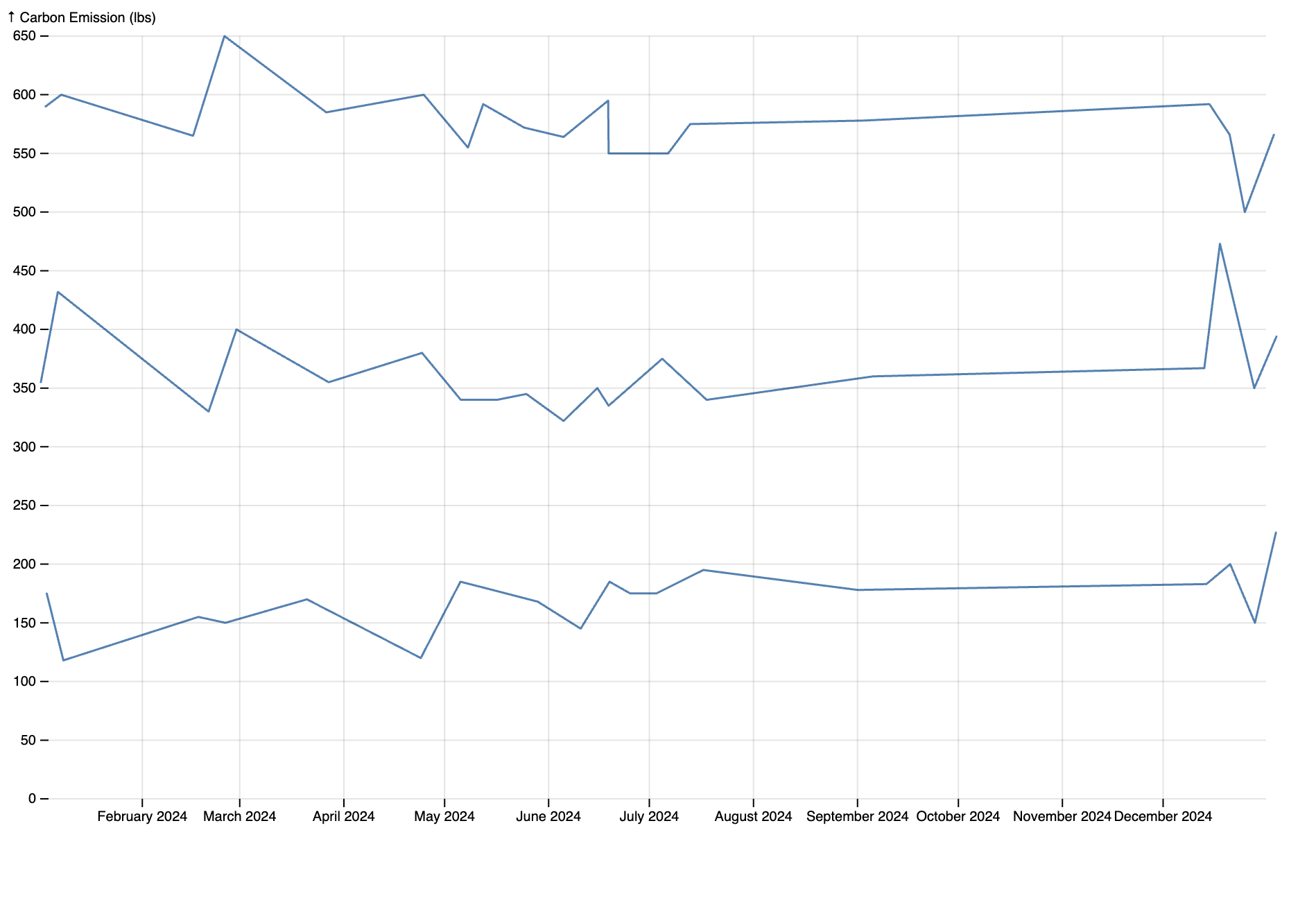
In a model of what Campus as Lab can look like when it integrates campus programming and operations through curricular and co-curricular pathways, students, faculty, and staff have collaborated to develop and implement the solar powered cooler and electric delivery vehicle project at the Campus Farm which includes an Energy Management System (EMS) developed in collaboration with CoE Multidisciplinary Design Program. This innovative system controls energy flows from the solar panels and the grid along with EV charging times, rates, and cooler set points, and combines that with real-time grid emissions data to minimize total system carbon emissions. The project is part of the farm's efforts to achieve carbon neutrality by 2026. This student-driven initiative showcases how practical, hands-on learning can make real world impacts in campus sustainability while demonstrating innovations that reduce environmental impact and develop skilled leaders in sustainability.
How the EMS Works
The EMS, designed and operated by students, ensures that fresh produce is stored and kept cool, the electric vehicle (EV) is charged sustainably for daily campus deliveries, use of solar power is optimized and grid energy is only used during lowest available carbon periods. This project allows students to apply their sustainability knowledge in real-world applications while actively reducing the Campus Farm's carbon footprint.
During periods of grid failure, the system adds much needed resiliency by utilizing the EV’s battery to provide back power to the produce cooler helping prevent product loss and food waste.

Solar panels
A 13.2 kW solar array powers the produce cooler, helping reduce CO2 emissions and providing shade that reduces heat gain and enhances cooling efficiency.

Electric delivery truck with insulated cargo box
When charged using solar power, the Ford F-150 Lightning reduces emissions compared to traditional delivery vehicles and provides backup power to the cooler during grid failures

Energy Management System (EMS)
The EMS coordinates energy use, charging the EV and cooling produce with solar power and as needed grid power targeting the cleanest grid energy periods.
Project Origins
This project was developed through collaboration between the Campus Farm, Students for Clean Energy, CoE Department of Electrical and Computer Engineering faculty and Institute for Energy Solutions Director Dr. Johanna Matheiu, and Utopian Power. Funding came from private donors and the Planet Blue Student Innovation Fund, demonstrating how student-led initiatives can deliver powerful sustainability solutions.
For a deeper dive into the full project scope and details, check out our comprehensive PDF.